


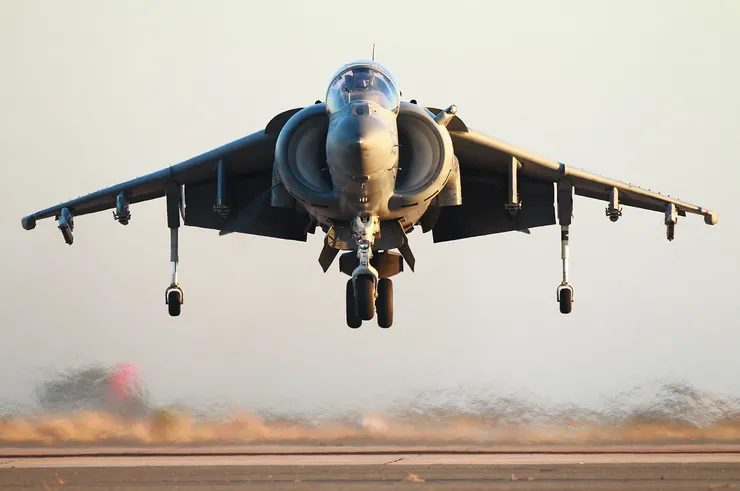
The story of BAE Systems is not just a corporate history. It is a chronicle of British industrial survival, nationalization, and eventual privatization. Formed in 1999, the company emerged from a merger between British Aerospace (BAe) and Marconi Electronic Systems. But the roots go deeper. Much deeper.
BAe itself was born in 1977. It resulted from the forced consolidation of British Aircraft Corporation (BAC) and Hawker Siddeley Aviation. These entities had been nationalized the previous year. Why? Because they were unprofitable. The government stepped in to keep the aerospace sector alive. Through this lineage, BAE Systems inherits the legacy of roughly 20 British aircraft firms. You can trace the bloodline back to Bristol, Avro, Gloster, De Havilland, and Supermarine. Some of these names date to the very first decades of powered flight.
The Legacy of Nationalized Giants
In the 1960s and early 1970s, BAC and Hawker Siddeley were producing significant aircraft. They were building planes that defined an era. BAC was responsible for the Vickers-Armstrongs VC10. It also built the BAC One-Eleven jetliners. Perhaps most famously, BAC partnered with Aerospatiale of France to produce the Concorde supersonic transport. That project alone required immense capital and technical coordination.
Hawker Siddeley was equally influential. They developed the HS 121 Trident jetliner. They built the Vulcan bomber. They also created the Harrier, the first practical vertical/short-takeoff-and-landing (V/STOL) fighter. The Harrier remains a unique piece of aviation history. It changed how air support was delivered in combat zones.
Privatization and Global Partnerships
The political landscape shifted in the late 1970s. In 1979, British Aerospace joined the Airbus Industrie jetliner-manufacturing consortium. This move signaled a shift toward European collaboration. It also marked the beginning of the end for the state-controlled model. By the early 1980s, British Aerospace had been privatized. The government sold its stake. The company had to survive on market forces.
The 1990s brought new challenges and opportunities. British Aerospace became a partner in the Eurofighter Typhoon program. This venture included firms from Germany, Italy, and Spain. Multi-national defense projects require complex supply chains and shared intellectual property. They are risky but necessary for large-scale aerospace development.
BAe also joined a venture led by Lockheed Martin. The goal was to develop the Joint Strike Fighter. This program aimed to create a next-generation multirole combat aircraft. It was a high-stakes gamble on future defense needs.
From Merger to Monolith
The 1999 merger with Marconi Electronic Systems created BAE Systems. Marconi brought strong electronics and avionics capabilities. BAe brought airframe manufacturing and defense contracts. Together, they formed a integrated manufacturer of aircraft, missiles, avionics, and naval vessels.
Today, BAE Systems operates globally. It produces aerospace and defense products for governments and commercial clients. The company carries the weight of its history. Every jet


