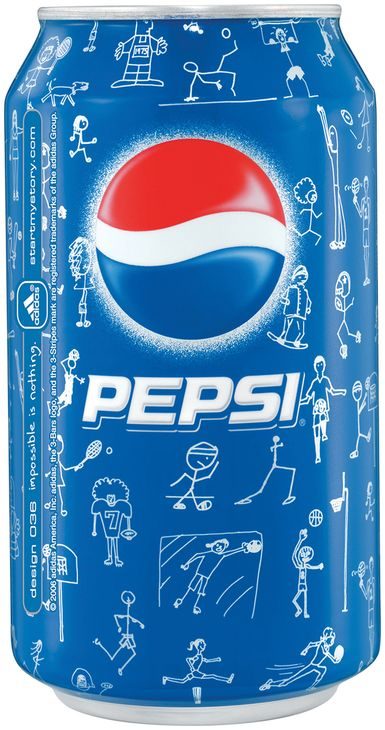
PepsiCo is not just a soda maker. It is a global food and beverage giant based in Purchase, New York. The company controls some of the most recognizable brands in the world. You likely eat or drink something from their portfolio every single day.
This includes soft drinks like Pepsi, Mountain Dew, Gatorade, and Aquafina. It also covers savory snacks like Lay’s, Doritos, and Fritos under the Frito-Lay umbrella. And let’s not forget Quaker Oats.
The name PepsiCo entered the cultural lexicon in 1965. That was when the Pepsi-Cola Company merged with Frito-Lay, Inc. This merger created a powerhouse that could compete on two fronts: sweet beverages and salty snacks. Today, the company operates in over 200 countries. It serves more than a billion customers daily.
The Pharmacist’s Pitch
The story starts long before the corporate mergers. It begins in New Bern, North Carolina, in 1898. Caleb D. Bradham, a local pharmacist, created a cola-flavored carbonated beverage. He wanted to replicate the success of Coca-Cola, which was already making waves.
Bradham named his creation Pepsi-Cola.
It caught on. By 1902, he incorporated the Pepsi-Cola Company. But early success in business is rarely steady.
The 1920s were tough. After World War I, the company faced significant financial headwinds. It reorganized and reincorporated multiple times just to stay afloat. It was a period of survival, not growth.
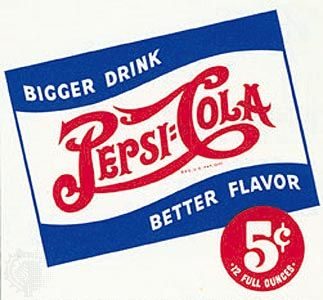
Then came Charles G. Guth. In 1931, Guth purchased the trademark and assets. He was the founder of the modern Pepsi-Cola. Guth did three things right. He hired a chemist to improve the formula. He set up new bottling operations. He marketed a 12-ounce bottle for just five cents.
This strategy worked. The drink became a massive hit.
But Guth was also president of Loft, Inc., a candy manufacturer. This dual role created friction. Between 1936 and 1939, legal battles erupted. Guth lost control. The new management of Loft, Inc. took over the Pepsi-Cola Company. By 1941, the names merged. The company became Pepsi-Cola Company, owned by Loft.
Advertising and Acquisition
Alfred N. Steele changed the game in 1950. He arrived from Coca-Cola as CEO. His wife was actress Joan Crawford, which added a layer of celebrity intrigue to the boardroom. Steele bet big on advertising.
He pushed giant ad campaigns. He focused heavily on sales promotions. The result? Net earnings increased elevenfold during the 1950s. Pepsi became the serious challenger to Coca-Cola. After Steele died in 1959, Crawford remained an active director.
The next few decades were about buying other companies.
In 1965, Pepsi-Cola merged with Frito-Lay, Inc. This gave it Fritos, Doritos, Lay’s chips, and Rold Gold pretzels. The synergy was obvious. Soda and chips go together.
Then came the restaurant era. In 1977, Pepsi bought Pizza Hut. In 1978, it acquired Taco Bell. In 1986, it purchased Kentucky Fried Chicken (KFC) and the international soft drink business of the Seven-Up Company.
This expansion was too heavy. In 1997, the restaurants were spun off into Tricon Global Restaurants. By 2002, that entity became Yum! Brands. PepsiCo exited the fast-food space to focus on packaged goods.
Diversifying the Portfolio
The company continued to expand its product lines. In 1994, PepsiCo launched Aquafina. It is now one of the top five global water brands. Interestingly, the water undergoes a purification process. Yet in 2007, the company changed its labeling. They acknowledged that Aquafina comes from a “public water source.” This move was about transparency, or perhaps liability.
In 1998, PepsiCo looked at health trends. It acquired the Tropicana and Dole juice brands from the Seagram Company. These were seen as healthier alternatives to soda.
Two years later, in 2001, PepsiCo merged with the Quaker Oats Company. This formed the Quaker Foods and Beverages division. Oatmeal. Cereal. Breakfast. The portfolio was becoming a household staple.
A Dividend King
Why does this history matter to investors? Because of stability. PepsiCo has raised its dividend every year for more than 50 years. This makes it a dividend king.
The business structure is split into seven divisions. Three are in North America. Four are in international regions. This geographic spread helps buffer against regional economic downturns.
PepsiCo is not just a soda company. It is a diversified consumer staple. Its brands are embedded in daily routines worldwide. From breakfast to snacks to sports hydration, the footprint is massive.
The company has learned from its past. It spun off restaurants when they didn’t fit. It acquired water and juice to modernize its image. It kept its snack dominance strong.
This is how a century-old company stays relevant. Not by sticking to one product. But by adapting. By buying what works. And by paying shareholders consistently.
The next phase of this story involves navigating the health-conscious market. How does a company sell sugar and salt without losing relevance? That is the real challenge.
But for now, the foundation remains solid. The brands are everywhere. The dividends keep coming. And the cycle continues.

The Quaker Merger and Global Reach
By the turn of the 21st century, the lineup was heavy. You had Pepsi cola. You had Frito-Lay. You had Lipton Tea, Tropicana, Gatorade, Quaker Oats, and Rold Gold pretzels. The Quaker merger didn’t just add cereals to the shelf. It consolidated a massive empire.
But the strategy shifted. Hard.
PepsiCo stopped looking inward. It started expanding outward. Aggressively.
International expansion became the engine. In 2008, the company bought a controlling interest in JSC Lebedyansky. That was Russia’s largest juice manufacturer. Three years later, they completed the acquisition of Wimm-Bill-Dann Foods. Those weren’t small purchases. They made PepsiCo the largest food and beverage company in Russia.
They didn’t stop there.
China. Brazil. Emerging markets. These were the new battlegrounds.
Flavor Experiments and Local Branding
The 2010s were a laboratory. PepsiCo ran flavor experiments. Marketing experiments. The results were hit-or-miss, but some stuck.
In 2012, they launched Doritos Locos Tacos. A collaboration with Taco Bell. It was weird. It worked.
Then came Mountain Dew Kickstart in 2013. A caffeine-laced soda hybrid. Bubly sparkling water arrived in 2018. Gatorade Zero followed later that year.
And the heat. The FLAMIN’ HOT Cheetos success changed everything. Suddenly, “spicy” wasn’t a niche. It was a mandate. That same fiery kick got applied to Doritos. Fritos. Lay’s. Ruffles. If it was a chip, it got hot.
But global dominance isn’t just about one brand. It’s about fitting in. PepsiCo tailored its marketing for local markets. They didn’t just export American snacks. They acquired local giants.
- Walkers in the U.K.
- Sabritas in Mexico.
- Uncle Chipps in India.
- Matutano in Spain.
- The Smith’s Snackfood Company in Australia.
- Gamesa in Mexico and South America.
This wasn’t accidental. It was calculated. Buy the local player. Keep the brand. Scale the distribution.
The Steele Era and the Restaurant Gamble
Before the global spread, there was Alfred N. Steele.
He became CEO in 1950. He was a former vice president at Coca-Cola. He was married to Joan Crawford. That marriage alone made headlines, but his business moves made him rich.
Stele pushed giant advertising campaigns. Sales promotions. The result? Pepsi-Cola’s net earnings increased 11-fold in the 1950s. He made Pepsi the chief competitor of Coca-Cola. Really. For the first time.
After Steele died in 1959, Crawford stayed on as an active director.
The structure kept changing. In 1965, Pepsi-Cola merged with Frito-Lay, Inc. That created the snack food powerhouse. Fritos. Doritos. Lay’s. Rold Gold.
Then came the restaurant era.
PepsiCo bought Pizza Hut in 1977. Taco Bell in 1978. KFC in 1986. They even bought Seven-Up International in 1986.
But restaurants are hard. Margins are thin. Operations are complex.
In 1997, they spun off the restaurants. Tricon Global Restaurants, Inc. was born. It kept the food. PepsiCo kept the drinks and snacks.
They needed more “healthy” options. So in 1998, they bought Tropicana and Dole from Seagram. Then in 2001, they merged with Quaker Oats.
That merger gave them the full portfolio: Pepsi, Frito-Lay, Lipton, Tropicana, Gatorade, Quaker Oats, Rold Gold.
It was a fortress.
Controversies and “Performance with a Purpose”
Fortresses attract arrows.
PepsiCo has faced serious accusations in the early 21st century.
In Indonesia, the company was accused of working with palm oil suppliers who exploit workers. The supply chain stretched into rainforest destruction. Environmental groups pointed fingers.
Then came the Kendall Jenner ad in 2017. PepsiCo tried to align with the Black Lives Matter movement. The ad suggested a soda could solve systemic racism. The backlash was instant. They pulled it the next day. It was a masterclass in how not to do social justice marketing.
The legal trouble didn’t stop. In 2023, the New York State Attorney General filed a lawsuit. The charge? Harming the public and the environment with single-use plastic packaging. The lawsuit argued that PepsiCo’s packaging policies contributed to the plastic crisis.
PepsiCo’s response?
They talk about “performance with a purpose.”
It’s their branding for sustainability. They invest in racial equality. They commit to better water and land use. Their public target is 100% renewable energy by 2030.
It sounds good on paper. The question is whether the supply chain actually reflects it. The lawsuits suggest a gap between the promise and the practice.
The tension remains. Growth requires expansion. Expansion requires resources. Resources often come with a cost. PepsiCo is betting that the brand value of “purpose” outweighs the cost of the lawsuits.
We’ll see if that bet pays off. Or if it burns down.

Global Reach and Local Flavor
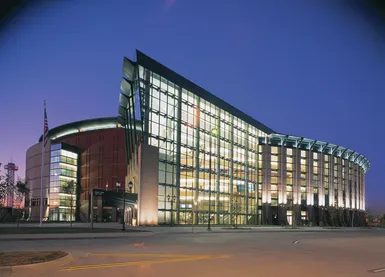
The Denver Nuggets and Colorado Avalanche share a home court at the Pepsi Center. It’s a simple fact about Colorado sports. But for PepsiCo, the brand behind the arena’s naming rights, that venue represents just a fraction of a massive global machine.
We are looking at a company that started in the late 1800s. It has grown into a top-tier food and beverage conglomerate. Today, PepsiCo operates in over 200 countries. That is not an exaggeration. It is a statistical reality of their market penetration.
How did they get there? Through three main engines: product innovation, strategic acquisition, and marketing that targets emotions. They don’t just sell drinks. They try to link hearts, minds, and taste buds. It is a psychological play as much as a chemical one.
The Nutrition Trade-off
Let’s be clear about the product lineup. PepsiCo’s offerings skew heavily toward flavor. Nutrition is rarely the primary selling point. Most consumers know this. The company knows this. Yet, they have shown a willingness to adapt.
Adaptation is not static. It is reactive. When regional tastes shift, PepsiCo shifts with them. This is how a global giant survives in a fragmented market. You cannot sell the same potato chip in every country and expect consistent growth. You have to listen to local palates.
“PepsiCo has demonstrated a willingness to adapt its brands to changing—and regional—tastes and preferences.”
This adaptability is their buffer against obsolescence. In a world where health trends fluctuate like stock prices, rigidity is a liability. Flexibility is an asset.
The Cost of Scale
Growth to this magnitude comes with trade-offs. Dominance in 200+ countries requires complex supply chains. It demands constant vigilance in regulatory environments that vary from Tokyo to Toronto. The marketing budget alone is staggering. It is designed to keep the brand top-of-mind, even when consumers are trying to avoid sugar.
The strategy works because it covers all bases. If you crave salty, they have it. If you crave sweet, they have it. If you want something that tastes like a specific regional snack from your childhood, they probably own the brand that makes it. It is a comprehensive web of ownership.
But is it healthy? The question is irrelevant to their balance sheet. Their goal is flavor. Nutrition is a secondary concern, often managed through marketing spin rather than product reformulation. This is not a secret. It is the business model.
What Comes Next
The future will likely involve more acquisitions. More innovation in low-sugar or “better-for-you” lines. Not because they care about your health. But because consumers might start caring more about theirs. PepsiCo will pivot. They always do.
The arena lights in Denver will stay on. The brands will keep changing. The only constant is the drive to capture attention, one bite or sip at a time.