



The internet isn’t just faster now; it has fundamentally shifted how commerce operates. Traditional brick-and-mortar stores are losing ground to digital storefronts. Electronic commerce, or e-commerce, is simply the act of selling, marketing, and promoting products and services online. The volume of these transactions is growing every day, and for consumers, it means life is getting slightly easier.
E-commerce bundles the advantages of old-school retail with modern speed. It offers a shopping experience that is more convenient, quicker, and far more practical. If you have a need, the internet allows you to satisfy it without leaving your house. This article breaks down exactly what e-commerce is, the pros and cons of doing business digitally, and where this sector is heading.
What is Electronic Commerce?
At its core, e-commerce is the exchange of goods or services using electronic networks, primarily the internet. It encompasses everything from buying a single item on Amazon to large-scale B2B transactions. The key differentiator? The entire transaction process—from browsing to payment—happens digitally.
This shift hasn’t just changed how we buy things; it has changed what we buy and who we buy from. Small businesses can now reach global audiences without the overhead of physical locations. Meanwhile, consumers enjoy a wider selection and the ability to compare prices instantly.
The Double-Edged Sword of Online Shopping
Like any major economic shift, the move to digital trade brings distinct benefits and drawbacks. Understanding these trade-offs is essential for both buyers and sellers.
The Advantages: Convenience and Scale
For consumers, the primary draw is convenience. You can shop at 2 a.m. in your pajamas. There are no store hours to worry about and no traffic to navigate. For businesses, the advantages are even more compelling:
- Lower Overhead: No need to rent expensive retail space or staff a large sales floor.
- Global Reach: A local business can sell to customers in other countries without a physical presence there.
- Data-Driven Insights: Online platforms provide detailed data on customer behavior, allowing for personalized marketing and inventory management.
- 24/7 Availability: The store never closes. Sales can happen while the business owner sleeps.
The Disadvantages: Trust and Competition
It’s not all smooth sailing. The digital marketplace is crowded. Standing out requires significant effort in marketing and brand building.
“The barrier to entry is low, but the barrier to success is high.”
For consumers, there are risks. You cannot touch, feel, or try on products before buying. Returns can be a hassle. There is also the persistent threat of data breaches and fraud. For sellers, competition is fierce. Price comparisons are one click away, leading to razor-thin margins and constant pressure to innovate or undercut rivals.
The Future of Digital Trade
The trajectory of e-commerce points toward further integration of technology. We are seeing the rise of social commerce, where buying happens directly within social media apps. Artificial intelligence is being used to predict consumer needs before they even search for them. Virtual and augmented reality are beginning to offer ways to “try on” clothes or visualize furniture in your home without leaving the couch.
As internet infrastructure improves globally, more people will come online, expanding the

E-ticaret sadece bir satış kanalı değil, kökleri 1960’lara uzanan bir teknoloji evrimidir. O yıllarda bilgisayar teknolojisinin gelişmesiyle başlayan bu süreç, önce işletmeler arası (B2B) ticaretle yaygınlaştı. Günümüzdeki formunu ise internetin yaygınlaşması ve güvenli ödeme sistemlerinin oturmalarıyla kazandı. Artık işletmeden tüketiciye (B2C) satışlar, dijital kanallar üzerinden hızlı, erişilebilir ve düşük maliyetli bir hale geldi.
Ancak bu dönüşüm basit değildi. Şirketler, müşterilerine doğrudan ulaşma şansı elde etmekle kalmadı; fiziksel mağaza maliyetlerinden kurtularak kar marjlarını artırdı. Daha geniş bir kitleye ulaşmak, marka itibarını güçlendirdi. Ancak bu avantajların karşılığında ciddi riskler de var.
Hangi E-ticaret Modeli İşinize Uygun?
E-ticaret türleri, satışın yönüne göre sınıflandırılır. Hangi modeli seçeceğiniz, hedef kitlenize, ürün tipinize ve operasyonel kapasitenize bağlıdır. İşte temel türler ve karşılaştırılması:
1. B2B (Business to Business)
İşletmelerin birbirine ürün veya hizmet sattığı model.
* Örnek: Bir toptan satış sitesi veya bulut yazılım hizmeti.
* Avantaj: Yüksek sepet tutarı, uzun vadeli müşteri ilişkileri.
* Dezavantaj: Satış döngüsü uzundur, karar alma süreçleri karmaşıktır.
2. B2C (Business to Consumer)
İşletmelerin bireysel tüketicilere satış yaptığı model.
* Örnek: Giyim markası, elektronik mağazası.
* Avantaj: Geniş kitleye ulaşım, hızlı satış döngüsü.
* Dezavantaj: Yüksek rekabet, düşük müşteri sadakati, yüksek müşteri edinim maliyeti.
3. C2C (Consumer to Consumer)
Tüketicilerin birbirine ürün sattığı platformlar.
* Örnek: İkinci el eşya siteleri, sanal pazar yerleri.
* Avantaj: Düşük giriş maliyeti, esneklik.
* Dezavantaj: Güvenlik riskleri, kalite kontrol zorluğu, platform komisyonları.
4. C2B (Consumer to Business)
Tüketicilerin işletmelere teklif verdiği veya içerik ürettiği model.
* Örnek: Freelancer platformları, influencer pazarlaması.
* Avantaj: İşletmeler için esnek yetenek erişimi.
* Dezavantaj: Kalite kontrolü zordur, ödeme süreçleri karmaşık olabilir.
Neden E-ticaret Zor?
Dijital kanallarda satış yapmak, fiziksel bir mağaza aç
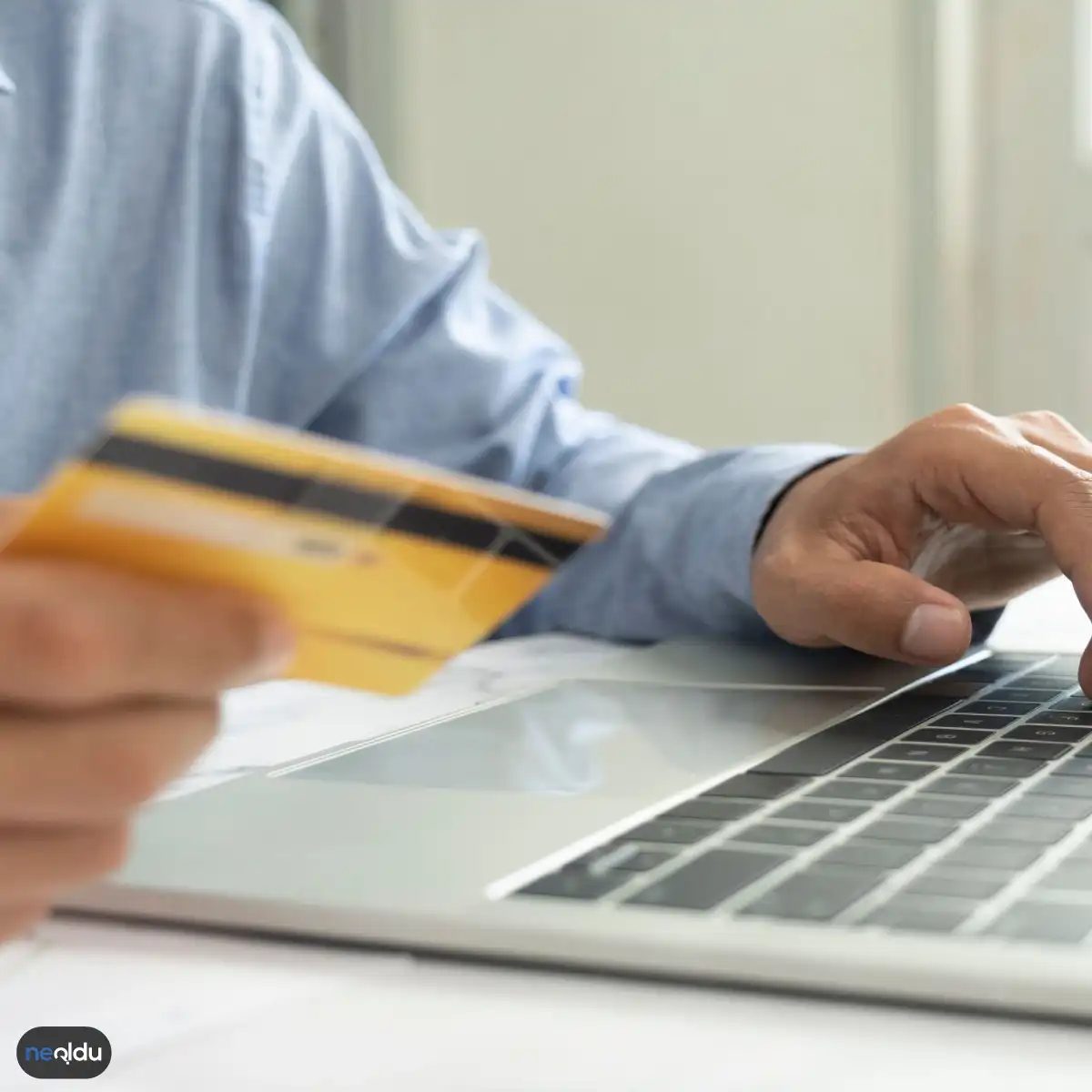
Doğru modeli seçmek, sadece bir web sitesi açmaktan çok daha fazlasıdır. Hedef kitleniz, sunduğunuz ürün veya hizmet türü belirleyici olur. Dört ana e-ticaret türü vardır. B2B, B2C, C2C ve C2B. Her biri farklı dinamiklere sahiptir.
B2B E-ticaret Nedir ve Nasıl Çalışır?
B2B, yani işletmeler arası e-ticaret, şirketlerin başka şirketlere satış yaptığı alandır. Bu alan genellikle toptan satışlar için kullanılır. Büyük hacimli siparişler burada gerçekleşir. Bir üretici, hammadde veya yarı mamul parçaları başka bir üretecye satarsa bu B2B’dir.
Bu modelde karar süreçleri daha uzundur. Fiyatlar genellikle talep üzerine belirlenir. İlişkiler uzun vadeli olabilir. Teklifler ve sözleşmeler dijital ortamda yönetilir.
B2C: En Tanınan E-ticaret Türü
B2C, işletmeden tüketiciye anlamına gelir. Bu, online alışverişin en yaygın formudur. Bir kişi bir koltuk veya kitap satın aldığında B2C işlemi yapar. Markalar doğrudan son kullanıcıya hitap eder.
Marketing burada kişiselleştirilmiştir. Deneyim, sadakati teşvik etmek için tasarlanmıştır. Reklamlar sosyal medyada veya arama motorlarında kullanıcıları doğrudan mağazaya yönlendirir. Hızlı teslimat ve kolay iade politikaları rekabetin ana unsurlarıdır.
C2C ve C2B Modelleri
C2C, tüketiciden tüketiciye e-ticarettir. Kullanıcıların birbirlerine ürün sattığı platformlardır. eBay veya Etsy gibi pazar yerleri buna örnektir. Bir kişi elbisesini satarken diğeri satın alır. Platform aracıdır. Güvenilirlik, kullanıcı yorumları ve puanlama sistemlerine dayanır.
C2B ise ters bir akıştır. Tüketiciler, hizmetlerini veya ürünlerini işletmelere sunar. Freelance siteler buna iyi bir örnektir. Bir grafik tasarımcı bir şirket için logo tasarımı teklifi verir. Bir yazılım geliştirici bir startup’a API entegrasyonu yapar. Bu modelde güç dinamiği bazen satıcıda, bazen alıcıda olabilir. Piyasa fiyatları belirleyici rol oynar.
Kamu ve Kurumlar Arası E-ticaret
G2B ve G2C gibi diğer modeller de mevcuttur. G2B, hükümetin işletmelere mal ve hizmet sunduğu durumdur. G2C ise hükümetin vatandaşlara hizmet sunduğu durumdur. Vergi ödemeleri, lisans başvuruları veya diğer resmi işlemler internet üzerinden yürütülür.
Her modelin kendine özgü avantajları vardır. B2B büyük hacimlere uygundur. B2C doğrudan müşteri ilişkileri kurmayı sağlar. C2C bireyler arası takası kolaylaştırır. C2B ise esnek yetenekleri işletmelere sunar.

The Hidden Costs of Going Digital
Everyone talks about the savings. And there are some. No rent for a storefront in a pricey district. No decorators. Fewer staff on the floor. Those overheads vanish when you move to a platform. But don’t confuse low overhead with low cost.
You still pay for traffic. You pay for the tech stack. Security audits aren’t free. Customer service doesn’t disappear just because there’s no physical counter. In fact, it often gets harder. When a screen is the only interface, frustration spikes. Returns become a logistical nightmare rather than a simple hand-off at the door. The margin you save on rent? It often gets eaten by ad spend and complex logistics.
Reaching Everyone, Helping No One?
The pitch is always the same: global reach. You can sell to someone in Tokyo, Toronto, or Timbuktu from your kitchen table. That’s true. But it’s also a trap.
Being everywhere means being present nowhere deeply. A physical store builds trust through face time. You learn your regulars. You notice the guy who buys the same coffee every Tuesday. Online, you are a pixel. A click. A conversion rate.
This is where the “easy access” argument gets fuzzy. Just because you can reach a worldwide audience doesn’t mean you should. Logistics become a beast. Customs? Currency exchange fluctuations? Shipping times that stretch into weeks? These aren’t just inconveniences. They are deal-breakers.
The Illusion of Easy Sales
Let’s talk about the “user-friendly interface.” It sounds nice. It looks clean. But underneath, it’s a filtering machine.
You give customers search bars. Filters. Sort by price. Sort by rating. It feels effortless for them. It requires immense effort from you. You have to optimize every listing. You have to manage inventory data that syncs in real-time. One glitch? Sold-out items show as available. Anger ensues.
And the product presentation? It’s flat. You can’t touch the fabric. You can’t smell the candle. You rely on photos and descriptions. If those are bad, you have no second chance. A bad photo doesn’t just mean a missed sale. It means a return. And returns kill profitability in e-commerce faster than you think.
Marketing: The Hunger Game
Yes, digital marketing is easier. You can target people by interest, behavior, location. You can A/B test ads in real-time. It’s precise.
But it’s also expensive.
Customer Acquisition Cost (CAC) is rising across every major platform. Facebook ads? LinkedIn ads? Google Shopping? The bids keep climbing. You’re not just competing with the guy next door. You’re competing with Amazon, with Alibaba, with every dropshipper who found that trending product yesterday.
To stand out, you need content. Video. SEO. Influencers. It’s not just “posting an ad.” It’s building a brand in a noisy room. And if you stop paying for ads, the traffic stops. Immediately. There’s no lingering goodwill from a friendly shopkeeper waving you in. There’s only the algorithm.
Payment Friction vs. Security Risks
Clicking “buy” is fast. That’s the selling point. But it cuts both ways.
Consumers expect one-click checkout. PayPal. Apple Pay. Credit card tokenization. If there’s more than two steps to payment, cart abandonment skyrock

Dijital alışverişin parlak yüzüysüz, arkasında ciddi operasyonel ve teknik tuzaklar var. İşletmeler geniş kitlelere ulaşmak ve satışlarını katlamak için e-ticarete sığındı. Ancak bu geçiş, sadece avantaj değil, ciddi riskler de doğurdu.
Bu riskler sadece teknik birer hata değil. İşletmelerin varlığını tehdit eden yapısal sorunlardır.
Güvenlik açıkları ve veri sızıntıları
Müşterilerin kişisel ve finansal verileri dijital ortamlarda saklanıyor. Bu verilerin korunması işletmenin en büyük yükümlülüğü. Ama kötü niyetli aktörler her zaman bekçilerin arkasında dolaşıyor.
Bir siber saldırı sonrası müşteri bilgileri ele geçirse?
İşletme için bu yıkıcı olabilir. Güvenlik önlemleri yetersiz kalırsa, itibar kaybı ve yasal cezmler anında gerçekleşir. Müşteri güveni tek seferde kırılır.
Dokunamama sorunu: Fiziksel inceleme eksikliği
Online mağazalarda ürünleri elinize alıp, dokunup, test edemezsiniz. Bu temel bir kısıtlama.
Müşteriler ürünü satın almadan önce niteliklerini tam olarak göremez. Renkler, boyutlar, malzeme kalitesi… Hepsi ekrandaki fotoğraflara bağlı.
Gerçeklik ile beklenti arasındaki kopukluk yüksek. Müşteri ürünü eline geçirdiğinde hayal kırıklığı yaşayabilir. Kalite beklentisi karşılanmazsa iade süreçleri başlar. Bu da işletme için ekstra maliyet ve zaman kaybı demektir.
Lojistik riskler: Kargo hasarı ve teslimat
Ürünü satmak işin yarısı. Diğer yarısı, ürünün hasarsız ve eksiksiz eline ulaşması.
Kargo firmalarına bağımlılık zorunluluk. Ama nakliye süreci kontrolünüzde değil. Ürün kırılabilir. Kutu ezilebilir. Belki de tamamen kaybolur.
Bir de adresinizde yoksa ne olur?
Kurye kapınızı çalar. Siz evde değil. Teslimat başarısız olur. İşletme için bu bir hizmet kaybıdır. Müşteri de sinirlenir. İkisi de kaybeder.
İnternet bağımlılığı ve bağlantı kopuklukları
E-ticaretin kalbi internet bağlantısıdır. Müşterinin erişimi kesilirse, satış da durur.
Bazı kullanıcıların internet bağlantı sorunları yaşaması normal. Ama bu durum işletmenin hizmet kapasitesini doğrudan düşürür. Satışlar düşer. Müşteriler siteye giremez.
Bu tür teknik aksaklıklar, kullanıcı deneyimini mahveder. İnsanlar sabırsızdır. Site yüklenmezse, rakip siteye geçerler.
Müşteri hizmeti ile kurulan kopuk

The hidden infrastructure of online shopping
The explosion of e-commerce didn’t just change how we buy things. It created an entirely new ecosystem of tools. These aren’t just buzzwords. They are the mechanical gears that keep digital commerce running smoothly for both buyers and sellers.
E-commerce platforms as the storefront
E-commerce sites remain the most common entry point. They are where the transaction actually happens in the digital void. Sellers use these platforms to showcase inventory across virtually every sector. Buyers use them to bypass physical limitations. It’s a display case with infinite shelf space.
Mobile payments: speed over security concerns
Mobile payments have stripped away the need for wallets. By using smartphones or other handheld devices, users execute transactions with just a few taps. The benefit is speed. Sellers get confirmed funds faster. The friction of searching for cash or digging through a purse is gone.
Electronic invoicing cuts the administrative fat
E-invoicing is replacing paper trails. The result is efficiency. Invoices are created, sent, and paid electronically. This removes the lag time of postal services or manual data entry. It forces a level of transparency that paper often obscured.
Booking services beyond travel
Online reservations have expanded far beyond hotels and flights. You can book cinema tickets, appointments, and services from any location. The constraint of business hours is eliminated. If the server is up, the booking can happen.
Remote learning infrastructure
Online education platforms have normalized remote learning. All that is required is an internet connection and a computer. Students access courses without commuting. This shifts the cost structure entirely, removing real estate and physical materials from the equation.
Cloud computing: the silent backbone
Cloud computing is the engine behind it all. It allows data to be stored and shared over the internet. This means businesses can access secure, processed information from anywhere. It scales with demand rather than requiring physical server farms.
The modern economy isn’t built on warehouses anymore. It’s built on protocols. And those protocols are constantly evolving.


