


The White House hosted a signing ceremony on Wednesday where major tech companies pledged not to pass data center costs onto consumers’ electricity bills. The event, led by President Trump, aimed to reassure voters amid growing concerns about rising energy prices linked to the booming AI industry. However, experts and industry insiders largely dismiss the pledge as symbolic, lacking the enforcement mechanisms needed to guarantee actual consumer protection.
Political Theater in an Election Year
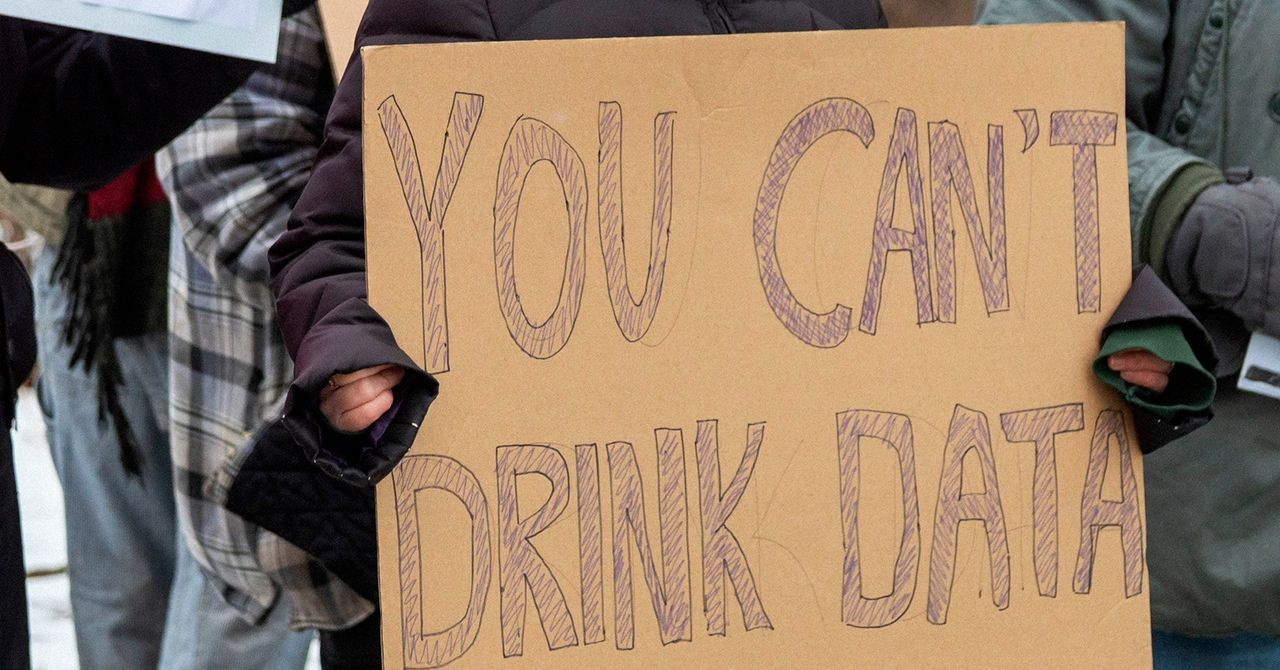
Bipartisan backlash against data center expansion has surged recently, with the issue becoming a focal point in state and national elections. A recent poll shows fewer than 30% of Americans support data center construction near their homes. The administration’s move appears designed to address voter anxieties, but lacks substantive regulatory power. As Harvard Law’s Ari Peskoe points out, “This is theater… The White House doesn’t really have a lot of moves here.”
The Core Problem: Utility Business Models
The fundamental issue isn’t tech companies themselves, but the structure of the US power grid. Utilities profit from infrastructure upgrades, passing costs onto consumers. Even if tech giants fully comply with the pledge—by investing in renewable energy or building their own power plants—the larger system incentivizes cost-sharing. The current utility business model is designed to socialize costs, meaning everyone pays, regardless of who drives demand.
Limited Enforcement and Industry Realities
The pledge is nonbinding, allowing companies to make commitments without legal accountability. Contracts between utilities and tech firms are private, hindering transparency. Moreover, smaller data center operators lack the resources for large-scale initiatives like building onsite power generation. The industry is also fragmented; construction is often outsourced to contractors who handle power sourcing independently.
Legislative Solutions Remain Elusive
Congress could address the issue through legislation, such as bills forcing data centers to shoulder their own energy costs. However, partisan gridlock makes meaningful action unlikely. Some states have seen legislative attempts stall under pressure from powerful utilities, which resist measures that would cut into their profits. For example, a Georgia bill mandating no cost-sharing was abruptly halted due to opposition from Georgia Power.
The acknowledgement that there is a problem is the most meaningful part of this pledge. We’re seeing a real shift in how the industry talks about this issue.
While the pledge itself may not deliver immediate results, it does represent a shift in industry discussion. For the first time, major tech companies and the White House are publicly acknowledging the potential for data center expansion to drive up consumer costs. This is a first step, but the real solution requires systemic change, which will take legislative action and structural utility reform.


