This briefing summarizes the latest developments across global politics, technology, and consumer rights, highlighting the shifting landscapes of digital influence, artificial intelligence, and corporate accountability.
🌐 Geopolitics and Information Warfare
The Digital Divide Over Iran
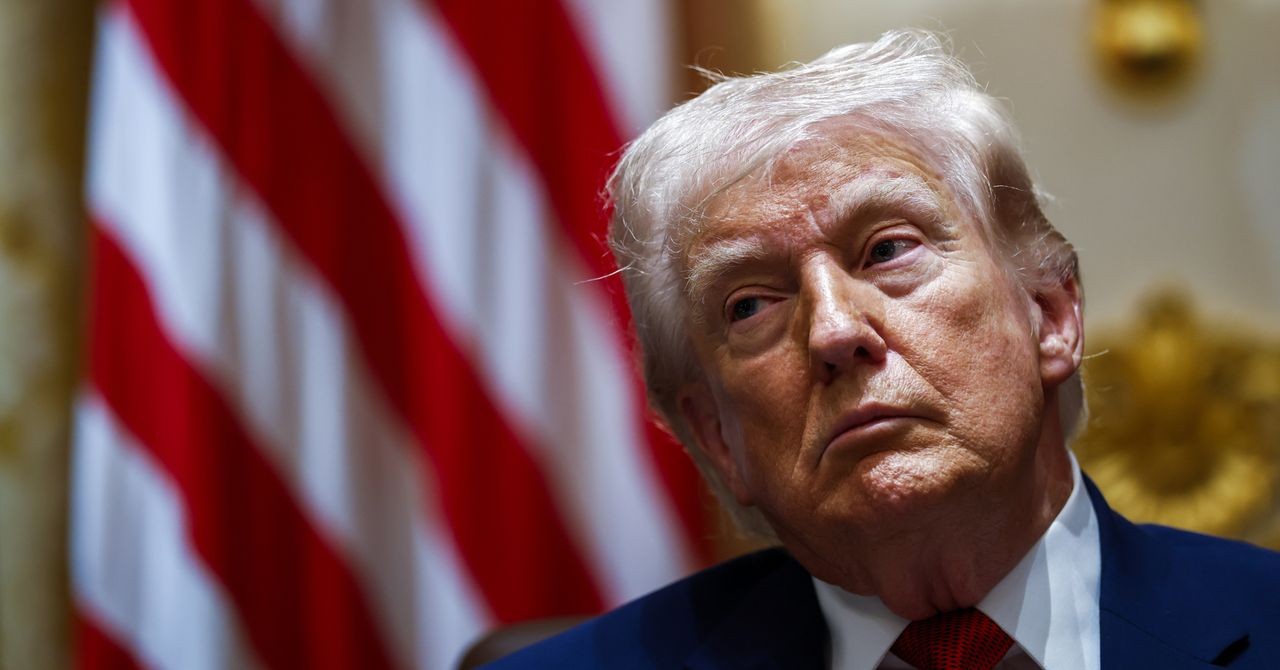
A growing rift has emerged within conservative media circles regarding Iran. While some segments of the “MAGA” media ecosystem have struggled to maintain a unified stance, new reports suggest a sophisticated counter-narrative is at play. A group known as Explosive Media has been utilizing AI-generated content—including satirical “Lego-style” cartoons—to troll former President Trump and the U.S. government. This highlights a growing trend: the use of AI to weaponize memes and influence political sentiment on a global scale.
The FBI’s Response Lag
In a troubling lapse in inter-agency communication, records obtained by WIRED reveal that the FBI ignored urgent texts from Minnesota Bureau of Criminal Apprehension investigators for several days following the killing of Renee Good. This delay raises critical questions about the efficiency of federal-state cooperation during high-stakes criminal investigations.
🤖 The AI Frontier: Innovation and Privacy
The artificial intelligence sector is moving beyond simple chatbots and into specialized hardware and high-fidelity media.
- Black Forest Labs’ Ambition: A lean startup of just 70 people is challenging Silicon Valley giants. Known for their prowess in AI image generation, the company is now pivoting toward “physical AI,” aiming to integrate generative intelligence into the real world.
- Privacy-First Wearables: Two former Apple engineers have developed an AI wearable designed to look like an iPod Shuffle. Unlike many “always-on” devices, this gadget only listens when tapped, attempting to solve the primary hurdle facing AI hardware: user privacy.
⚖️ Corporate Accountability and Consumer Rights
The Cost of Monopoly
In a significant legal development, John Deere is reportedly paying $99 million following allegations of monopolizing tractor repairs. While the settlement is substantial, consumer advocates argue it fails to address the core issue of “right-to-repair” legislation, which seeks to give farmers more autonomy over their own equipment.
Labor Activism in Big Tech
In Seattle, Meta cafeteria workers have achieved a rare victory by successfully challenging ICE (Immigration and Customs Enforcement) policies within their workplace. This grassroots win highlights a growing trend where internal staff activism is achieving results that traditional corporate petitions and executive-level protests have failed to secure.
China’s Shifting Fraud Landscape
As Beijing intensifies its crackdown on domestic fraud, researchers warn of a “displacement effect.” Rather than disappearing, criminal syndicates are reportedly shifting their operations abroad, targeting international victims to bypass stricter Chinese enforcement.
🛡️ Security and Lifestyle Trends
- Rising Political Violence: There is a measurable surge in political candidates investing in personal security, including bulletproof vests and home alarm systems, as the threat of targeted violence increases.
- The Reality TV Paradox: In an interview with WIRED, Netflix’s reality TV executive Brandon Riegg addressed the perceived “quality” of men on dating shows, defending the genre against claims of political agendas and noting the inherent difficulty of the dating landscape.
- Tech Deals: For content creators, high-quality audio remains a priority, with new budget-friendly wireless microphone sets making professional-grade sound more accessible for smartphone users.
Summary: From the rise of AI-driven propaganda and privacy-focused hardware to the legal battles over repair rights and the shifting tactics of global fraud, these stories reflect a world grappling with the rapid, often unpredictable, evolution of technology and power.