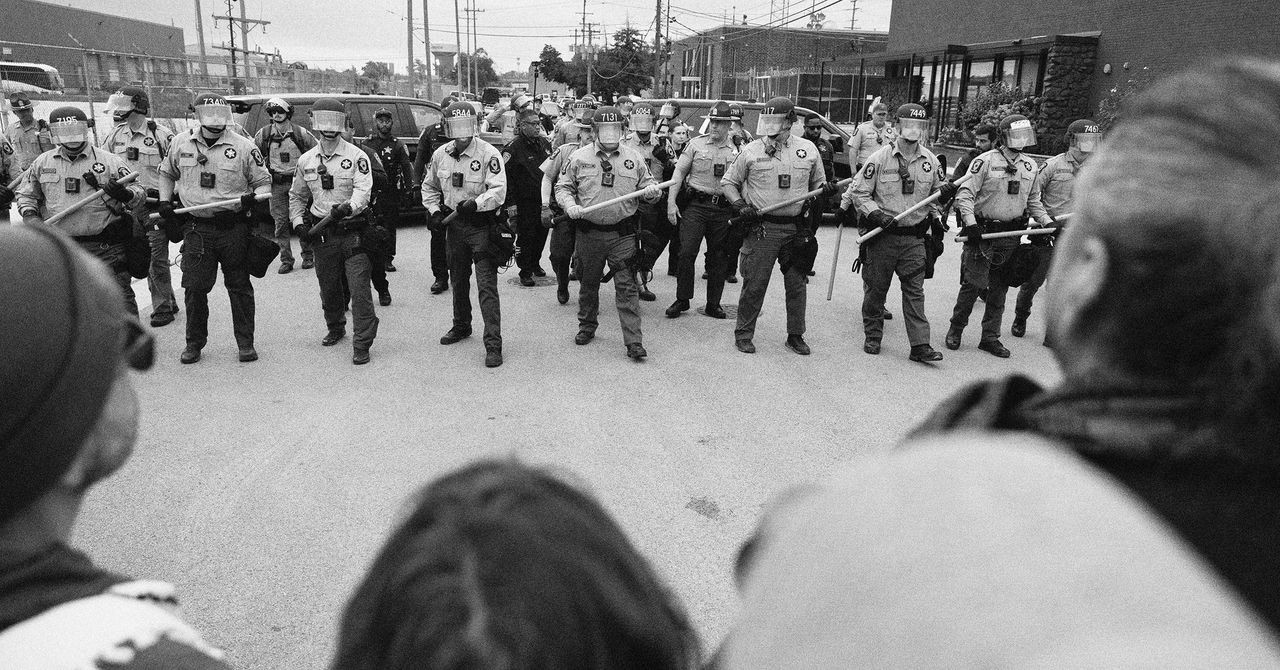
In early 2026, escalating tensions under the Trump administration have reignited protests across the United States. A recent fatal shooting by a federal immigration officer in Minneapolis sparked immediate unrest, highlighting the increasing brutality of enforcement actions and the growing need for protesters to protect themselves – both physically and digitally.
This is no longer just about physical safety; it’s about evading a sophisticated surveillance apparatus that actively targets activists and dissidents. The same tools used to track undocumented people are now being deployed against those who take to the streets, making digital security paramount.
The Stakes: Why Surveillance Matters
The Trump administration has weaponized every level of government to suppress dissent. Law enforcement and intelligence agencies now have unprecedented access to surveillance technologies, including real-time tracking, data interception, and facial recognition. Ignoring this reality means risking exposure, arrest, or worse.
Even before this recent escalation, police had demonstrated a willingness to violently suppress peaceful protests and target journalists. The assumption now should be that any digital footprint can be used against you.
Your Phone: The First Line of Defense
Your smartphone is a tracking device in your pocket. It broadcasts identifying information, connects to cell towers that record your location, and is vulnerable to “stingray” devices that impersonate networks to intercept data.
If anonymity is your priority, leave your primary phone at home. If you must bring a device, keep it off whenever possible and use a secondary “burner” phone with minimal personal data. Even then, prepaid carriers still require identification, so anonymity isn’t guaranteed.
Key steps:
- Encryption: Enable full-disk encryption on your smartphone (iOS does this by default with a passcode). For Android, manually enable encryption in Settings.
- Strong Passcode: Use a long, complex passcode rather than biometric unlocking (fingerprints or facial recognition can be coerced).
- End-to-End Encryption: Use apps like Signal for secure communication.
Your Face: A Biometric Target
Facial recognition is now a primary surveillance tool. To counter this, wear a face mask, sunglasses, and consider covering tattoos or distinctive features. While surgical masks may no longer be sufficient against advanced tracking tech, full-face masks or costumes can be effective.
Remember: Law enforcement can still track you through clothing, logos, and even license plates.
Your Online Footprint: The Permanent Record
Posts on social media, photos, and videos can be used to identify and track protesters. Authorities use tools like Dataminr to monitor real-time activity and analyze bulk data. Violent comments or past criminal references can be used against you if you are questioned or arrested.
Precautions:
- Limit Social Media: Avoid posting about protest attendance in advance.
- Metadata: Remove location data from photos and videos before sharing.
- Livestreaming Risks: Be mindful of who appears in your streams; ensure consent.
The Evolving Threat
The situation is worsening. Protests now carry a higher risk of violence and mass arrest. Cyberlixir founder Danacea Vo warns that the state is escalating its tactics, making privacy a luxury some may not be able to afford.
The choice is yours: weigh the risks, document responsibly, and understand that the fight for freedom now includes a digital battleground.
The reality is that resisting surveillance in the US has never been harder, and the stakes are higher than ever. Protesters must adapt to this new landscape, or risk being silenced.