Kalshi is a controversial startup that has redefined how people speculate on future events. Unlike traditional betting sites like FanDuel or DraftKings, Kalshi operates as a regulated commodity market under the Commodity Futures Trading Commission (CFTC). This means it can offer markets not just on sports and elections but also on highly specific occurrences, like tomorrow’s temperature in Philadelphia or even whether Elon Musk will launch a Bluesky account by 2027.
The company has grown rapidly since opening election markets in October 2024, handling over $1 billion in trades weekly and boasting a $11 billion valuation. This growth hasn’t come without scrutiny. Nineteen states have filed lawsuits, questioning whether Kalshi’s operations constitute gambling, despite the company’s insistence that it is merely a marketplace for predicting outcomes.
From Lebanon to Regulation: The Kalshi Story
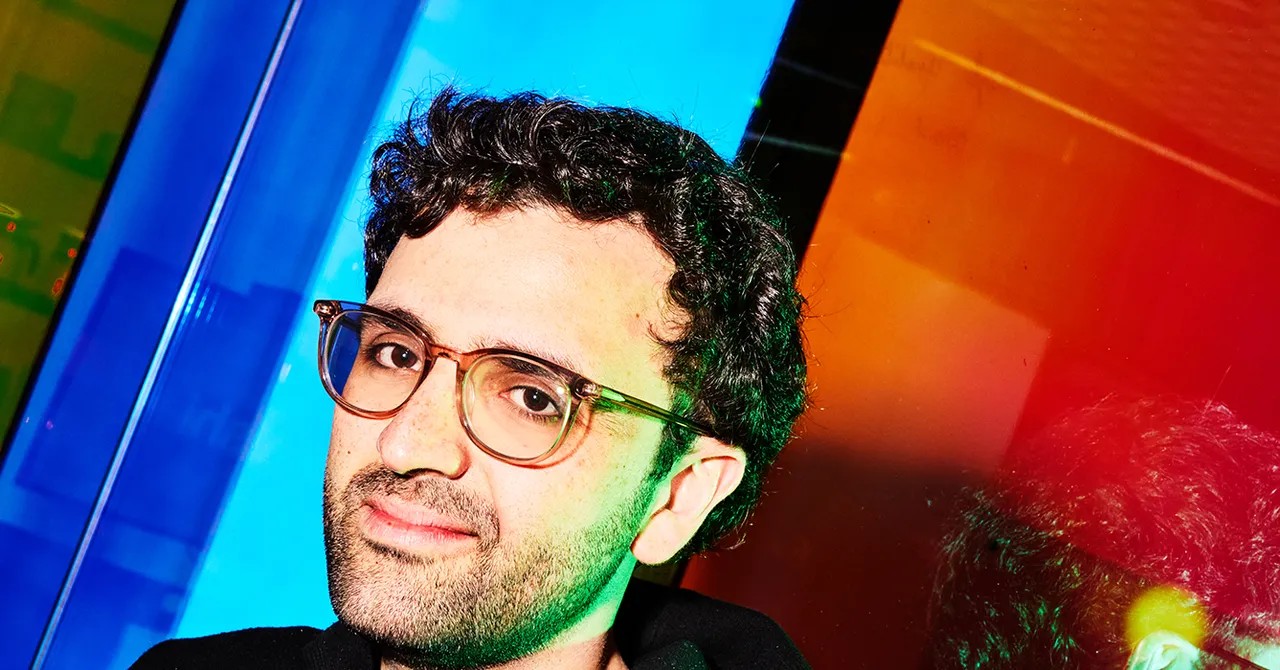
Kalshi’s co-founder and CEO, Tarek Mansour, emphasizes that Kalshi’s legitimacy lies in its regulatory approval. Mansour, who grew up in Lebanon and met his co-founder, Luana Lopes Lara, at MIT, intentionally pursued regulatory compliance before launching. The decision to navigate complex legal hoops proved successful, allowing Kalshi to operate legally in all 50 states—more than allow online sports betting.
Mansour argues that Kalshi is more than just a betting platform. He believes it provides a valuable service by efficiently aggregating opinions and improving forecasts. Studies have shown that Kalshi’s predictions on interest rates rival those of Wall Street experts, and it even outperformed polls in predicting Donald Trump’s reelection and Zohran Mamdani’s primary win.
The Debate: Gambling or Prediction?
The core debate revolves around whether Kalshi is fundamentally different from gambling. Mansour insists that Kalshi’s marketplace is not a house like a casino, where the odds are stacked against the customer. Instead, it offers a level playing field where informed participants can gain an edge.
However, critics argue that the outcome is the same: risking money on uncertain events. The company does not have the same disclaimers as gambling sites, nor does it provide resources for problem gamblers. Mansour defends this by pointing to the CFTC’s rigorous customer protection regime and the inherent transparency of financial markets.
Why Regulation Matters
Kalshi’s success hinges on its proactive regulatory strategy. While competitors like Polymarket scaled rapidly without upfront compliance, Kalshi spent years securing approval. Mansour claims this was a deliberate choice to build a sustainable business that operates legally and responsibly.
The company’s unconventional approach has attracted controversy, including scrutiny over Donald Trump Jr.’s dual role as an adviser to both Kalshi and Polymarket. Mansour dismisses concerns, arguing that Trump Jr.’s involvement signals his belief in the prediction market industry.
The Future of Prediction Markets
Kalshi’s rapid growth raises questions about the broader implications of mainstreaming prediction markets. Some fear that scaling these platforms could introduce manipulation and prioritize profits over accurate forecasting.
Mansour believes that making prediction markets more accessible will ultimately benefit society by improving decision-making and transparency. Whether this vision materializes or whether Kalshi’s model proves unsustainable remains to be seen.
Ultimately, Kalshi represents a bold experiment in market-based forecasting, challenging traditional boundaries between speculation, gambling, and financial markets.