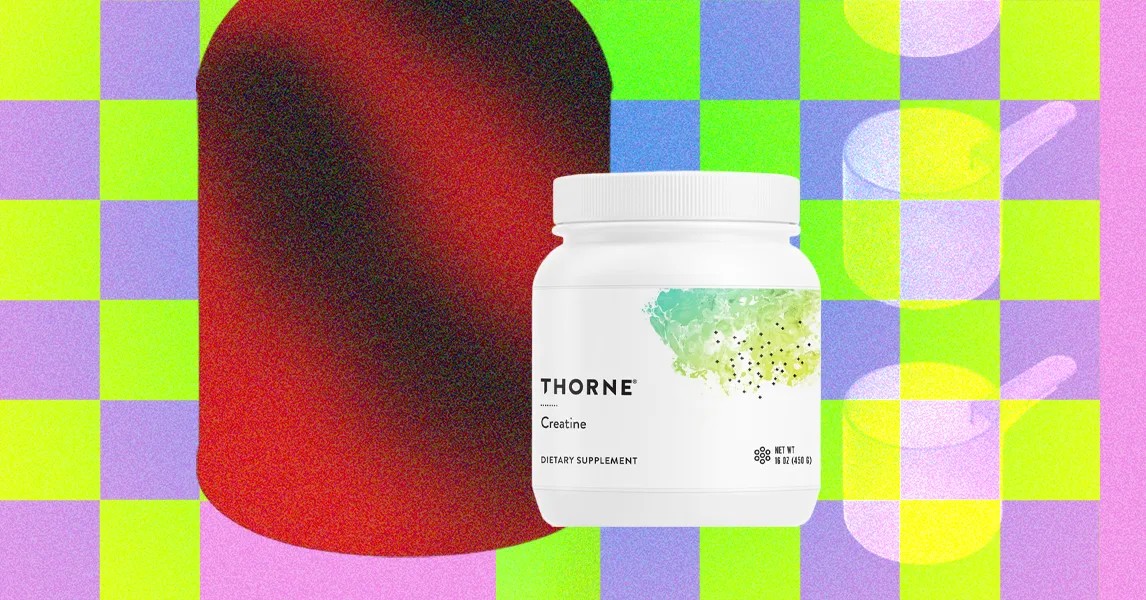
Creatine supplements, once confined to the world of hardcore fitness enthusiasts, are now popping up everywhere – from Pilates studios to TikTok wellness trends. The shift is real: more women are lifting heavier weights, and the old myth that strength training leads to unwanted bulk is being debunked. But what is creatine, and should you be adding it to your routine?
What Exactly Is Creatine?
Creatine is a naturally occurring compound produced in your liver, kidneys, and pancreas. The majority ends up stored in your skeletal muscles, where it plays a crucial role in energy production. It fuels muscle contractions, nerve signals, and tissue repair by regenerating adenosine triphosphate (ATP) – the molecule that powers cellular activity. A small percentage resides in brain tissue and testes, but the primary action happens in muscles.
Your body makes roughly one gram of creatine daily, and you can also obtain it through animal-based foods like red meat, fish, and poultry. For many people, dietary intake is sufficient. Supplements aren’t essential, but they can provide a performance edge under specific conditions.
How Does Creatine Work?
At its core, creatine enhances your body’s ability to generate energy during high-intensity activities. When you sprint, lift weights, or engage in interval training, your cells rapidly deplete ATP. Creatine phosphate steps in to recycle ATP, allowing you to sustain short bursts of power. The more creatine stored in your muscles, the faster you can recover and push harder.
This isn’t about magically building muscle; it’s about optimizing your body’s existing energy systems. Pairing creatine with resistance training and proper nutrition unlocks its full potential.
Which Form of Creatine Is Best?
The supplement market is flooded with variations: creatine hydrochloride, magnesium chelate, citrate, nitrate, ethyl ester, and more. However, creatine monohydrate remains the gold standard. It’s the most studied, effective, and affordable form. Other options haven’t demonstrated significant advantages.
Creatine monohydrate typically comes as a flavorless powder that mixes easily into water or shakes. The recommended dose is 3-5 grams per day. While some athletes “load” with higher doses, studies show no long-term benefits and potential kidney stress.
Benefits Beyond the Gym
Creatine shines in activities demanding short, intense effort: sprinting, weightlifting, HIIT. It’s less effective for endurance sports. Some research suggests creatine increases muscle glycogen storage, aiding recovery and energy replenishment.
Beyond muscle performance, creatine may also support brain health. Preliminary studies indicate it can reduce mental fatigue, improve cognitive function (especially in those with lower baseline levels like vegetarians), and even alleviate symptoms of depression by boosting dopamine and serotonin production. This is particularly relevant for women experiencing hormonal shifts during perimenopause and menopause, where estrogen fluctuations affect brain function.
Is Creatine Safe?
For most healthy adults, creatine is a well-tolerated supplement with no significant long-term risks. Common side effects are mild: temporary water retention, bloating, and digestive discomfort at high doses.
However, individuals with kidney disease should consult a healthcare professional before use. The American Academy of Pediatrics advises against creatine for those under 18 due to limited research on its long-term effects in young people. Always choose reputable brands with third-party testing to ensure purity and accuracy, and avoid unnecessary additives like those found in some gummies.
“Women tend to have lower muscle mass than men, so supplementation may actually benefit them more at baseline,” notes registered dietitian Gretchen Zimmermann.
In conclusion, creatine is a powerful tool for enhancing performance, recovery, and potentially even cognitive function. It’s no longer just for bodybuilders; it’s a versatile supplement with growing scientific support for a range of benefits.