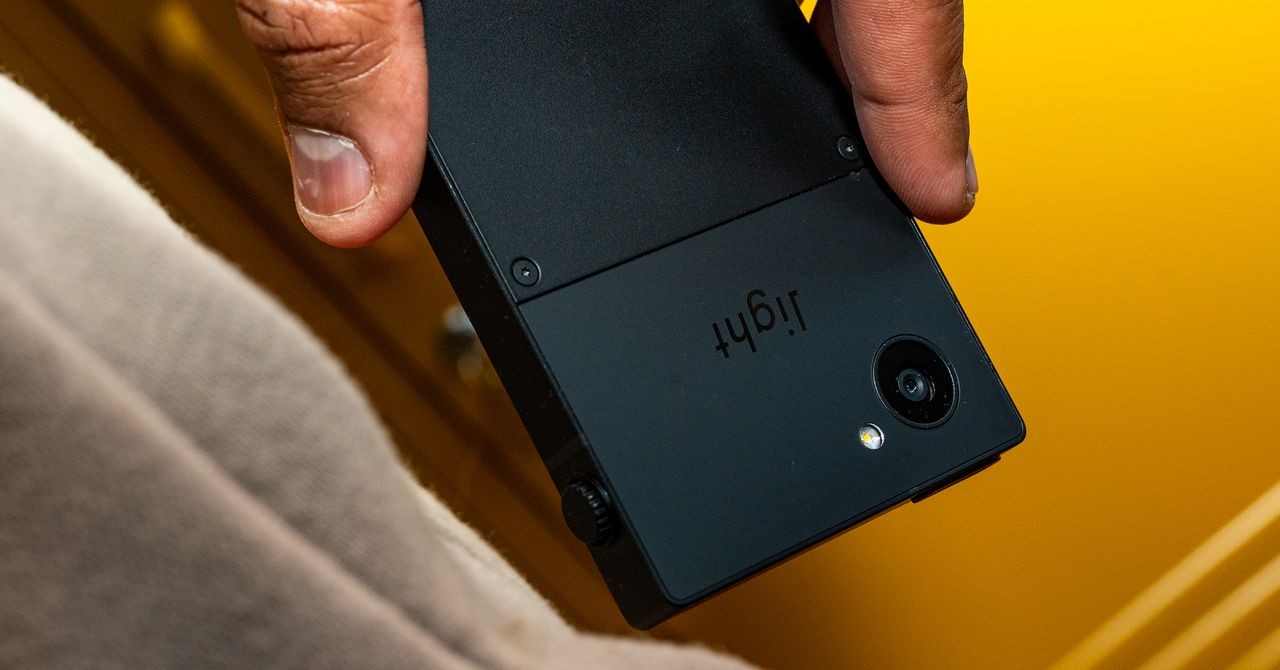
The technology landscape is shifting rapidly, with major players adjusting their strategies on privacy, hardware design, and accessibility. From the rise of “dumb phones” gaining smart capabilities to significant discounts on flagship devices and critical assessments of device repairability, here is what you need to know about the latest developments in consumer tech.
The Evolution of Minimalist Tech
The Light Phone, a device designed to reduce screen time and digital distraction, is evolving beyond its initial “dumb phone” concept. By introducing support for third-party “tools,” the company is making its minimalist hardware more versatile without compromising its core philosophy of reducing digital clutter. This move suggests a growing market demand for devices that offer essential functionality without the overwhelming complexity of standard smartphones.
In a similar vein, Framework has announced an upgrade to its modular laptop line with the new Framework Laptop 13 Pro, alongside updates to its 16-inch model. These devices emphasize user repairability and customization, challenging the industry norm of sealed, disposable electronics.
Significant Discounts on Flagship Devices
Several major tech brands have reduced prices on their latest hardware, making premium features more accessible to consumers:
- Apple iPad: The 11th-generation iPad, powered by the A16 chip, is currently available for $300, representing a $50 discount. This entry-level tablet remains a strong option for students and casual users.
- Apple Watch Ultra 3: Apple’s most robust smartwatch has seen a price drop of $100, bringing the GPS and cellular model down to $700. This makes advanced health and tracking features more attainable for outdoor enthusiasts.
- Google Pixel 10: Amazon has marked down Google’s flagship smartphone by $150. The 128 GB model is now priced at $650, while the 256 GB version is available for $750.
Privacy, Security, and Messaging Controversies
Security and privacy remain top concerns for tech users, with mixed results from major companies:
- OpenAI’s Security Update: In response to rising phishing threats, OpenAI has rolled out an “Advanced Account Security” mode for high-risk accounts. This feature aims to protect users of ChatGPT and Codex from unauthorized access, highlighting the ongoing need for robust security in AI-driven platforms.
- Elon Musk’s XChat: The newly launched messaging app on X (formerly Twitter) has faced criticism for falling short of privacy expectations. Rather than offering a sleek, encrypted alternative to services like Signal, XChat functions more as an insular extension of the social media platform, resembling Facebook’s Messenger in its design and privacy implications.
Hardware Reviews and Consumer Insights
Beyond new releases, recent reviews and analyses provide guidance for consumers navigating the crowded tech market:
- iPhone Repairability: The latest iPhone has received a D– rating for repairability from experts. While this is an improvement over previous models, it still places Apple near the bottom of the pack, with Samsung ranking second-worst with a D. This ongoing issue underscores the tension between sleek design and user-friendly repair options.
- 2-in-1 Devices: Testing of the best convertible laptops and detachable tablets reveals that modern 2-in-1 devices successfully balance the portability of tablets with the productivity of laptops. Whether you prefer a spinning screen or a detachable keyboard, these hybrids offer versatile solutions for mobile work.
- Fitness Trackers: For those looking to monitor health and activity, the best Fitbit models vary based on user needs. Recommendations range from beginner-friendly trackers to advanced devices for athletes and specialized options for children.