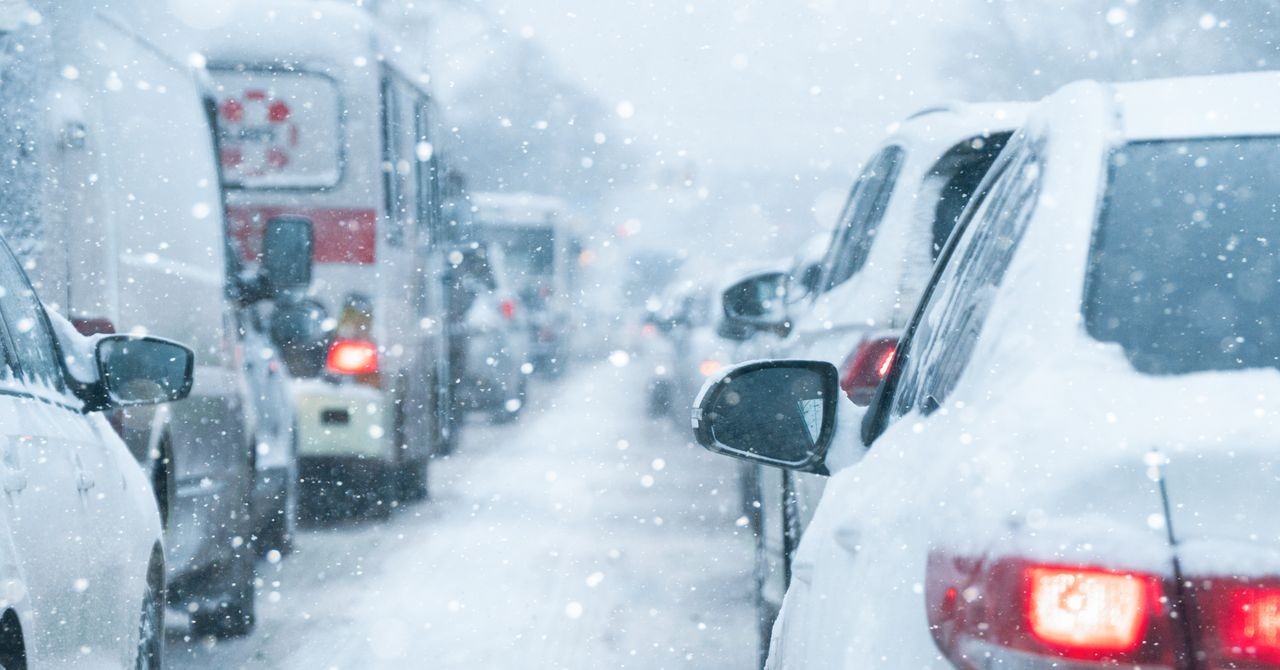
A significant winter storm is poised to impact nearly 30 states this weekend, bringing heavy snow, freezing rain, and potential power outages to a vast swathe of the country. While the exact path and intensity remain uncertain, meteorologists warn that conditions could range from crippling ice storms in the mid-Atlantic to heavy snowfall in the Rockies and Northeast.
Volatile Forecasts and Shifting Models
The storm’s trajectory has been notably unpredictable. Meteorologist Sean Sublette recounts how forecasts shifted dramatically within days, moving from expectations of heavy snow to concerns about dangerous freezing rain. This volatility highlights the challenges of predicting complex weather systems, especially those drawing moisture from multiple sources like the Gulf of Mexico.
Potential Impacts and Regional Risks
The National Weather Service (NWS) has issued preliminary “Key Messages” indicating heavy snow will begin hitting the Rocky Mountains and Plains on Friday, then move eastward towards the East Coast by Sunday. South of the snow zone, states could face hazardous freezing rain and sleet.
The potential for widespread disruption is high. Many regions are historically unprepared for severe winter weather; the 2014 Georgia-South Carolina ice storm left some communities without power for days, and the 2021 Texas freeze led to a two-week blackout and nearly 250 deaths.
Uncertainty and Key Factors
Atmospheric scientist Matthew Cappucci explains that the storm system is “absolutely waterlogged,” guaranteeing some form of precipitation across much of the South and East. However, the ultimate form—snow, rain, sleet, or freezing rain—depends on the behavior of an upper-level low-pressure system forming over the Pacific.
The NWS forecasts “2-plus inches” of water equivalent across a wide region, but whether this falls as a manageable snow or a paralyzing ice storm remains the critical unknown.
Preparation and Monitoring
Though forecasts will become more specific as the storm nears, experts advise residents in potentially affected states to monitor local forecasts closely and prepare for worst-case scenarios. This includes securing backup power sources, stocking emergency supplies, and understanding evacuation routes should conditions worsen.
The storm’s unpredictable nature underscores the importance of staying informed and taking proactive steps to mitigate risks.
The coming days will determine whether this system brings a manageable winter event or a crippling crisis for millions of Americans.