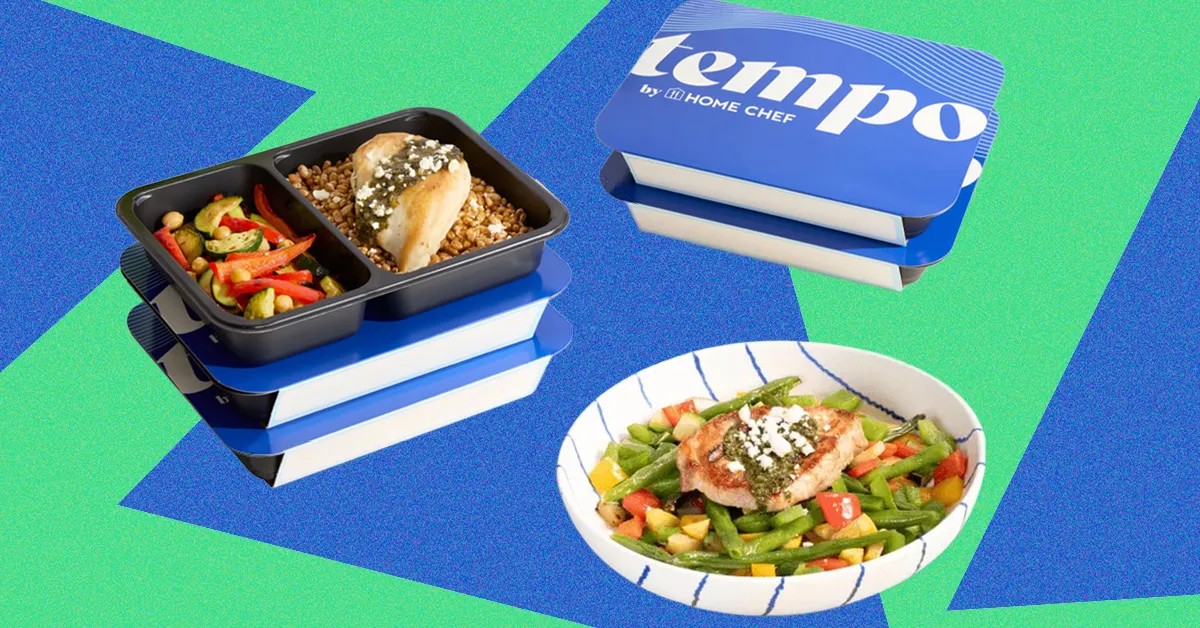
In an era where “convenience food” often implies a choice between frozen sodium bombs or mediocre takeout, a new player is attempting to bridge the gap between nutrition and ease. Tempo, a spin-off from the established meal-kit giant Home Chef, is not offering kits you cook yourself, but rather fully prepared, refrigerated meals designed for rapid reheating.
After testing a variety of their offerings, it is clear that Tempo is positioning itself as a specialized tool for a specific modern demographic: busy professionals and those managing dietary needs through medical assistance.
The Technology of Freshness
The most impressive feat of the Tempo service isn’t necessarily the culinary complexity, but the logistics. Unlike traditional “TV dinners” that rely on freezing, Tempo utilizes Modified Atmosphere Packaging (MAP). By replacing oxygen within the packaging with a calibrated gas mix, the company extends the shelf life of fresh food to 7–10 days without heavy reliance on chemical preservatives.
This allows for a “fresh-refrigerated” experience that remains stable during shipping via insulated, cooled packaging. For the consumer, this means meals that arrive ready to eat—not thaw—and maintain texture and flavor for a full week.
Nutritional Strategy: Protein and GLP-1 Compatibility
Tempo has moved away from the “one size fits all” approach of traditional meal kits. Instead, they have leaned into high-protein, macro-balanced profiles. This makes the service particularly relevant for two growing trends:
- The “Protein-Forward” Diet: Roughly two-thirds of the menu features meals with over 30 grams of protein.
- GLP-1 Support: For individuals using GLP-1 medications (which often suppress appetite), maintaining muscle mass is critical. Tempo’s meals, developed in consultation with dietitians, offer controlled portions (400–600 calories) that prioritize protein over excessive carbohydrates—ideal for those who need nutrient density in smaller volumes.
The Culinary Experience: Pros and Cons
While the logistics are high-tech, the food itself remains grounded in “middle-American” comfort.
The Strengths
- Protein Quality: Surprisingly, many proteins hold up well to reheating. Sous-vide chicken breasts remain moist rather than chalky, and beef barbacoa retains its tenderness.
- Ease of Use: The meals are designed for high-speed reheating, whether in a microwave, oven, or air fryer, making them an excellent solution for work-from-home lunches.
- Balance: Each meal offers a clear, wholesome structure of protein, starch, and vegetables.
The Drawbacks
- Repetitive Menus: The primary criticism is a lack of variety. With only about 25 meals available per week, users—especially those with dietary restrictions—may find themselves eating the same chicken breast in different sauces repeatedly.
- Vegetable Texture: As is common with all pre-cooked meals, vegetables can suffer from “reheat sogginess,” losing the crispness found in freshly prepared produce.
- Limited Palate: The menu skews heavily toward meat-eaters. Vegetarians will find very few options, and adventurous eaters may find the flavor profiles (e.g., Thai sweet chili or Cajun chicken) somewhat predictable.
Value Proposition
At $11 to $13 per serving, plus a weekly shipping fee, Tempo is more expensive than frozen meals or budget takeout. However, the cost reflects the specialized packaging, the dietitian-led nutritional planning, and the time saved.
The Verdict: Tempo is not a gourmet dining experience, nor is it a budget hack. It is a highly functional, technologically advanced tool for people who need healthy, protein-rich, and reliable meals delivered to their doorstep with zero prep time.
Conclusion: Tempo succeeds by mastering the logistics of freshness and nutrition, making it a premium, reliable choice for those prioritizing health and convenience over culinary variety.