


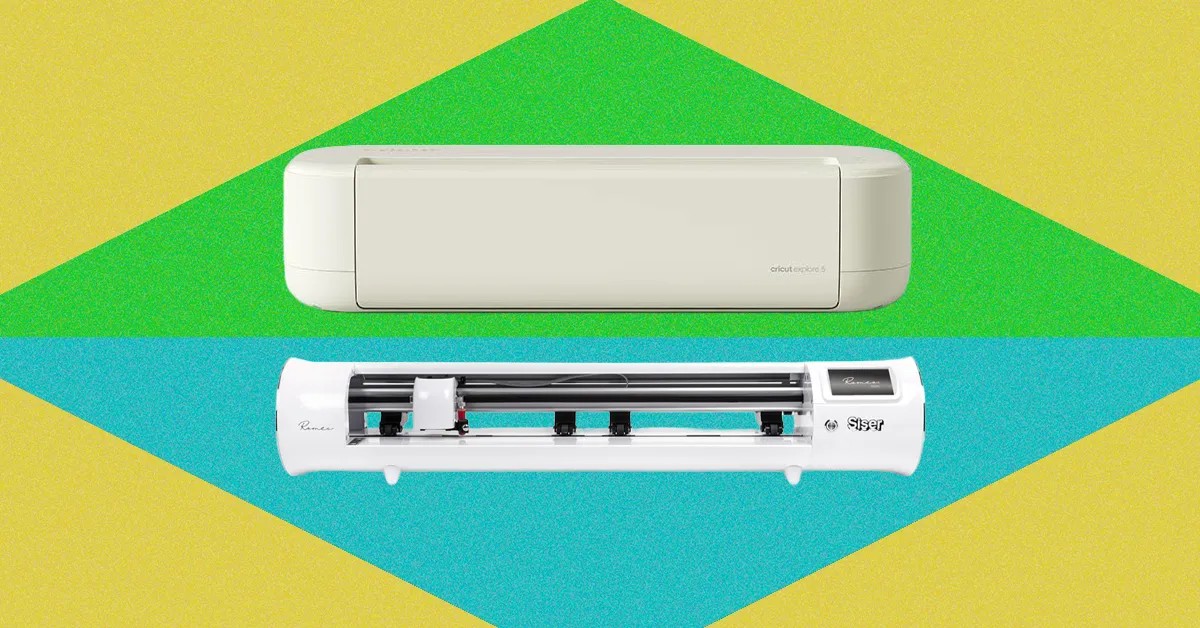
The Cricut Explore 5 and Siser Romeo aren’t just tools.
They are entry tickets. One leads to a world of intuitive crafting and vinyl stickers. The other? Heavy-duty industrial heat transfer. If you are standing in 2026 trying to decide which smart cutting machine belongs on your desk, you aren’t just buying hardware. You are choosing a workflow.
Most makers start with the Cricut. It’s the familiar face. The one with the app, the community, the ease of use. But then the rumors start. What about the Romeo? Is it faster? Can it handle thicker materials?
Let’s cut through the noise.
Which machine cuts better for beginners?
The Cricut Explore 5 is still the king of accessibility.
If you are new to crafting, the software alone is a win. Design Space is polished. It’s intuitive. You drag, you drop, you cut. The Explore 5 handles vinyl, cardstock, and iron-on with zero fuss. It’s quiet. It’s fast enough for 95% of hobbyists.
But speed is relative.
The Siser Romeo was built for volume. It’s an industrial beast in a compact shell. It doesn’t care about your sticker shop’s occasional order. It wants to cut rolls. Miles of them. The blade system is different, sharper, and more aggressive. If you are cutting one mug wrap, the Cricut wins on setup time. If you are cutting a hundred? The Romeo eats lunch.
How does the software compare?
This is where most people get stuck.
Cricut Design Space is cloud-based. It’s restrictive in some ways, but it works. You don’t think about it. You just create.
Siser Romeo often pairs with different software ecosystems depending on your setup, sometimes utilizing generic cutters or specialized RIP software. This adds a learning curve. Steeper, yes. But also more powerful. You aren’t locked into Cricut’s design library. You have freedom. Freedom to import complex vectors. Freedom to use any design software you own.
Do you want freedom or convenience?
Convenience scales poorly.
If your business is growing, the Cricut’s “ease” might become a bottleneck. File limits. Cloud crashes. The occasional bug that ruins a batch. The Romeo demands more from you upfront, but it pays off when you need to cut without internet.
Where do the costs actually add up?
The upfront price tag is obvious. Siser machines are pricier. No surprise there. But look at the blades.
Cricut blades are proprietary. They are cheap individually, but they wear out, and you are locked into the ecosystem. Siser blades? Often compatible with broader industrial standards or designed for much longer lifespans on specific materials.
Then there is the material.
Cricut machines are optimized for their own brand of Smart Materials. Siser Romeo is built to handle Siser’s own heat transfers, yes, but also third-party industrial vinyls that might jam a consumer-grade Cricut.
Think about what you are cutting.
If it’s HTV (Heat Transfer Vinyl) for t-shirts, both work. But if you are pushing into thicker substrates, adhesive banners, or specialty films, the Romeo’s torque and blade pressure options are superior. It doesn’t skip. It doesn’t hesitate.
Why does the market shift matter?
The crafting world isn’t static. In 2024, Cricut was everywhere. In 2025, competitors gained ground. By 2026, the choice isn’t just about brand loyalty. It’s about efficiency.
Makers are realizing that time is money.
A Cricut cut might take two minutes. A Romeo cut on the same file might take forty seconds. Multiply that by fifty pieces. That’s five minutes saved. Do this five times a day. That’s half an hour. A week? Four hours. A month? Sixteen hours.
Sixteen hours back in your week.
What could you do with those sixteen hours?
Design more


