General Motors (GM) announced a significant $7.1 billion loss in its most recent quarterly earnings, largely attributed to the scaling back of its electric vehicle (EV) ambitions. The downturn comes after substantial changes in U.S. federal policy under the Trump administration, which favored fossil fuels over electric vehicles.
Policy Reversal Fuels Industry Losses
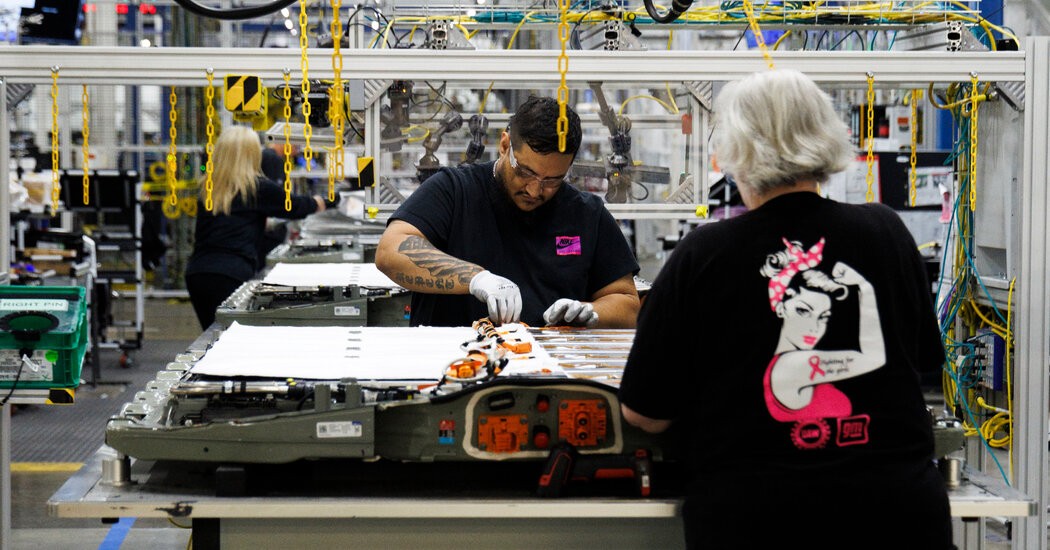
The $7.1 billion loss primarily reflects the write-down of GM’s investments in battery factories and EV assembly lines. This financial hit also includes $1.1 billion in restructuring costs related to non-EV operations in China. The move mirrors a broader trend within the automotive industry; Ford Motor reported a $19.5 billion loss last month due to similar adjustments in its EV business.
Tax Credit Elimination and Regulation Rollbacks
The primary driver behind these losses is the elimination of federal tax credits for EV buyers at the end of September. These credits previously covered up to $7,500 of the purchase or lease cost, significantly boosting EV demand. Coupled with loosened environmental and fuel economy standards, the policy shift removed key incentives for both manufacturers and consumers.
Slowing Demand in North America
GM explicitly stated in a securities filing that the termination of tax incentives and reduced emissions regulations led to slowing consumer demand for EVs in North America starting in 2025. The company was forced to compensate suppliers who had already invested in producing components for EVs that are now less critical to GM’s revised strategy.
Broader Industry Implications
The GM and Ford losses underscore the volatility of the EV market when influenced by rapid policy changes. This situation raises questions about the long-term viability of EV investments in an environment where government support can shift unpredictably. The future of automotive electrification now hinges on market forces rather than sustained federal incentives.
The financial results show that EV ambitions are heavily reliant on external factors, especially government policies. This shift will likely force automakers to reassess their long-term EV strategies.