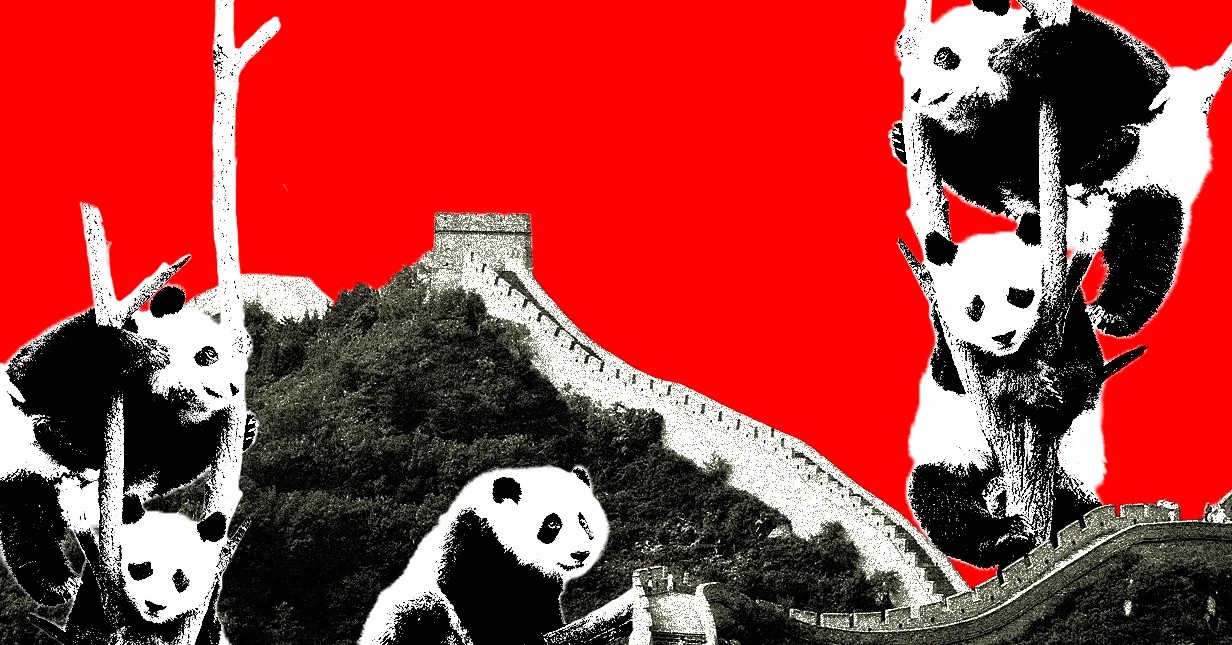
A peculiar trend has exploded online: people declaring they’re living in their “very Chinese time.” From viral Adidas jackets to dim sum binges, users are embracing China-coded aesthetics and activities, with celebrities like Jimmy O Yang and Hasan Piker joining in. This has spawned offshoots like “Chinamaxxing” and affirmations like “u will turn Chinese tomorrow.” But this isn’t just a quirky meme; it’s a symptom of a deeper shift.
The Irony of Dependence
Despite ongoing trade tensions and anti-China rhetoric, Western consumption of Chinese products has soared. Young generations particularly rely on Chinese tech, brands, and manufacturing. This dependence has created a bizarre reality where the only logical next step is to embrace the culture itself. Influencer Chao Ban joked about it on TikTok, highlighting the ubiquity of Chinese-made goods in everyday life.
China as a Counterpoint
The trend isn’t about genuine cultural appreciation; it’s a projection born from dissatisfaction with the West. As Harvard researcher Tianyu Fang explains, these memes function as a critique of decaying American infrastructure and normalizing state violence. In a world where America seems to be crumbling, China, with its high-speed trains and modern skylines, has become an aspirational alternative.
Critics often highlight China’s strengths—clean energy investments, urban development—to shame the U.S., but this selectivity is intentional. China is less a real place and more an abstraction used to expose America’s failures. As writer Minh Tran put it, Western Orientalism has shifted from patronizing to aspirational.
The Unavoidable Reality
China’s dominance in manufacturing is inescapable. From phones and laptops to AI models and the world’s best-selling EVs, everything is made in China. The tariffs of recent years revealed just how reliant the West is on Chinese exports. Simultaneously, language barriers have dissolved thanks to advanced translation tools, making direct communication with Chinese factories easier than ever.
State Influence vs. Viral Jokes
While some suspect Chinese state-sponsored content is behind the trend, the reality is that crude propaganda doesn’t compete with organic viral humor. A random joke about drinking hot water being “Chinese” will always spread faster than a heavy-handed state campaign.
A Disposable Identity?
For many, this trend is harmless fun, a way to show admiration for Chinese culture. Some Chinese creators have even joined in, joking that enjoying hot pot makes you Chinese. However, others see it as shallow and performative. Chinese diaspora artist Yunyun Gu points out that surface-level engagement—eating Chinese food or learning a few phrases—doesn’t equate to understanding the culture itself.
“It’s convenient to hop on any trend to avoid FOMO, and that trend happens to be China these days,” says Yunyun Gu.
The “very Chinese time” meme is ultimately a reflection of the West’s complex relationship with China: dependence, envy, and a growing recognition of its unavoidable dominance. It’s a trend that exposes more about the West than it does about China.