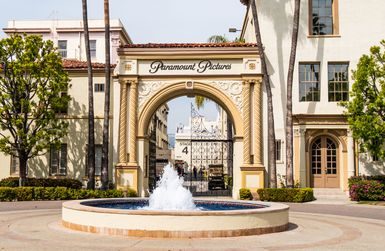
The Bronson Gate. You’ve seen it. It’s the iconic entrance to the Paramount Pictures studio lot in Hollywood. It looks permanent. Solid. But the company behind it has flipped hands more times than most people flip phones. Today it’s owned by Skydance, following a stint under Paramount Global, and before that, Viacom in 1994.
It’s a messy history of mergers and acquisitions. But the roots are dirt simple.
The 1914 Distribution Play
Paramount didn’t start as a movie-making factory. It started as a pipeline.
W.W. Hodkinson founded Paramount Pictures Corp. in 1914. The goal was distribution. He provided an outlet for Adolph Zukor’s Famous Players Film Company and Jesse L. Lasky’s Feature Play Company. He let other producers dump their reels there too.
By 1916, things got serious.
Zukor and Lasky merged their entities. They formed the Famous Players–Lasky Corporation. Then they acquired Paramount. They kept the Paramount name. It made sense. The brand was catching on.
The studio rose quickly. Why? Stars.
Mary Pickford.
Fatty Arbuckle.
Gloria Swanson.
Clara Bow.
Rudolph Valentino.
These weren’t just actors. They were the first global celebrities. Paramount packaged them. The market bought them.
The early hits cemented the reputation. The Covered Wagon (1923). It was billed as the first “big western.” Huge scale. Massive sets.
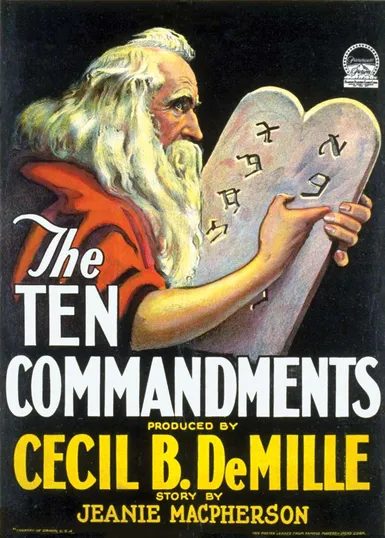
Then came The Ten Commandments (1923). Cecil B. DeMille directed it. A biblical epic. It proved Paramount could handle spectacle. Not just romance. Not just comedies. Monumental storytelling.
This was the foundation. Before the theme parks. Before the streaming wars. Just a distribution deal that realized owning the stars was better than just renting them.
The gate still stands. The business? It’s evolved. But the early moves defined the trajectory.
The roster reads like a who’s who of Hollywood’s golden age. By the late 1920s, Paramount Pictures had assembled a star-studded lineup that included Claudette Colbert, Carole Lombard, and Marlene Dietrich. Mae West and Gary Cooper brought their unique brand of charisma to the screen. Maurice Chevalier, W.C. Fields, and Bing Crosby added musical and comedic flair. Directors like Ernst Lubitsch, Josef von Sternberg, and Rouben Mamoulian pushed artistic boundaries.
Yet talent alone couldn’t save them from a structural failure. The transition to sound films created a massive financial crisis. The studio’s chain of theaters struggled to adapt. Costs soared. Revenue stalled.
In 1933, Paramount was declared bankrupt.
It was a stark contrast to the success of earlier hits. The Ten Commandments poster from Cecil B. DeMille’s 1923 silent epic remains a symbol of the studio’s earlier dominance. But that dominance was built on a fragile foundation. Theaters were tied to production. When one sector failed, the whole system buckled.
How did they recover? Not with magic. With restructuring. The bankruptcy wasn’t an end. It was a reset. The studio emerged leaner. Different. But still standing.
This period marks a critical shift in studio-era dynamics. It wasn’t just about making good movies. It was about surviving the business model. Theaters and production were no longer a safety net. They were a liability.
“Although it continued to produce films that were artistically and financially successful, it suffered losses from its chain of theaters during the transition to sound.”
The lesson? Star power doesn’t offset structural debt. You can have Lubitsch’s wit and Dietrich’s allure. But if your theater chain is bleeding cash, bankruptcy looms.
Paramount’s 1933 collapse forced a reevaluation of vertical integration. It wasn’t enough to own the stars. You had to own the pipeline. And that pipeline was clogged.
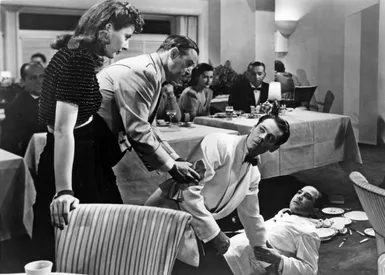
The studio’s financial recovery came after its 1948 reorganization into Paramount Pictures, Inc., but the win was short-lived. Two years later, the Supreme Court dropped a hammer blow. The court ruled that seven major studios, Paramount included, violated the Sherman Antitrust Act. They had built an empire by controlling both the production and exhibition of films. The remedy was blunt. Studios had to sell their theater chains.
This forced divestiture changed everything. Paramount could no longer guarantee where or when its movies played. The vertical integration was broken. With that power gone, the studio’s output strategy shifted. They stopped churning out volumes of content. Instead, they focused on fewer, higher-budget films. It was a risky pivot, but it defined the next era of Hollywood.
The Creative Boom Amidst Regulatory Change
The loss of theater control did not kill creativity. The 1940s and ’50s became a golden age for Paramount Pictures, driven by distinct creative voices. The studio leaned into satire, drama, and spectacle.
Preston Sturges delivered sharp, satirical comedies. His 1941 film The Lady Eve, starring Barbara Stanwyck and Henry Fonda, remains a high-water mark for witty dialogue and cynicism. It is a prime example of how Sturges used humor to critique social hierarchies.
“The studio produced landmark films like Double Indemnity and Sunset Boulevard, proving that high quality could offset reduced distribution control.”
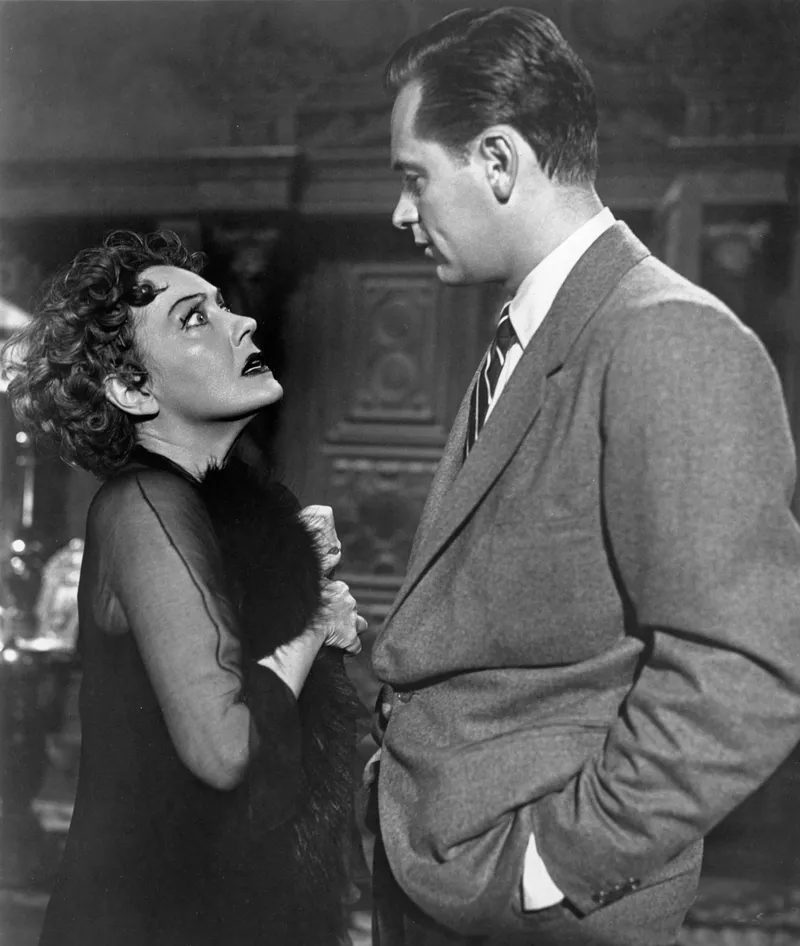
Billy Wilder became another pillar of this era. His work blended cynicism with high drama. Double Indemnity (1944) redefined the film noir genre. Five years later, Sunset Boulevard (1950) offered a brutal look at Hollywood’s faded stars. These were not just movies. They were cultural corrections.
Meanwhile, the “Road to…” series offered a different kind of success. Bob Hope, Bing Crosby, and Dorothy Lamour starred in Road to Zanzibar (1941) and Road to Rio (1947). These films provided escape. They were lighter fare compared to Wilder’s darkness, but they drew massive crowds.
Expanding Into New Genres
By the early 1950s, the studio’s portfolio widened further. Director George Stevens’ Shane (1953) revitalized the Western genre with its moral complexity. It was a stark contrast to the simpler heroes of earlier decades.
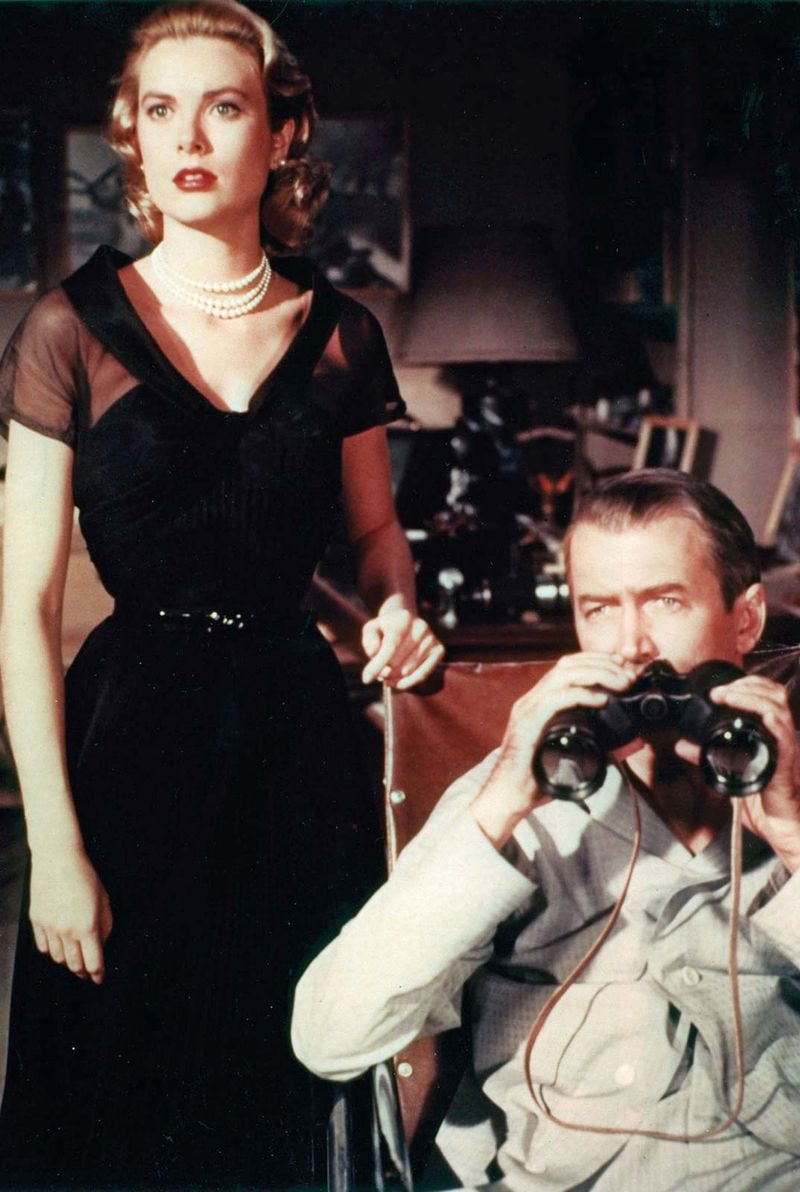
Alfred Hitchcock brought Rear Window (1954) to the studio. The film relied on tension and voyeurism rather than action. It showed that Paramount could handle psychological thrillers with the same ease as musicals.
Cecil B. DeMille capped off the decade with a massive spectacle. His 1956 remake of The Ten Commandments was a technical marvel. It required huge resources, fitting the new strategy of fewer, more expensive productions. The film became one of the highest-grossing movies of its time.
This period proved that regulatory pressure could sharpen focus. Without the safety net of owned theaters, **Paramount
The shift from studio to conglomerate
The golden age of the individual studio head was fading. By the 1960s, Paramount wasn’t just fighting other studios; it was getting swallowed by bigger, more bureaucratic machines. The company merged with Joseph E. Levine, Inc., a move that signaled a change in strategy. Levine was known for distributing films like The Pink Panther and Casino Royale. It was a pragmatic play for market share, not an artistic one.
Then came the 1960s corporate takeover craze. Gulf + Western Industries, a massive industrial conglomerate, took control. They didn’t care about celluloid or cellulite. They cared about balance sheets. Paramount became just another line item in a portfolio that included tires, mining, and insurance.
This was the beginning of the end for the traditional Hollywood model. Gulf + Western used Paramount as a cash cow to fuel other ventures. But the strategy shifted again. The parent company realized media and communications were the future. In 1989, they changed the name. Gulf + Western Industries became Paramount Communications Inc. It wasn’t just a rebrand. It was a signal that the studio was finally coming home to its roots.
The transformation from an industrial giant to a media-focused entity reshaped how films were financed and distributed for decades.
The merger with Levine had been a temporary fix. The Gulf + Western era was the structural shift. And the 1989 rebranding? That was the confirmation. The conglomerate was no longer a diversified industrial holding company. It was a media player. And that distinction would define the next forty years of Hollywood’s financial reality.
The Shift From Stars to Stories
The early sixties marked a quiet but seismic shift in Hollywood. It wasn’t a loud revolution. No one announced it. But if you watched the marquee carefully, the focus moved.
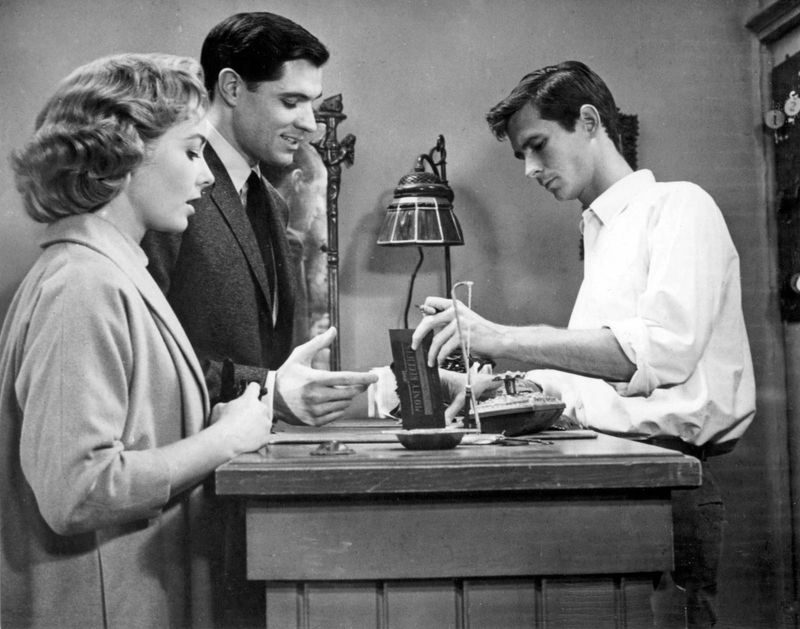
In Psycho (1960), Vera Miles, John Gavin, and Anthony Perkins stood in a frame that would change horror forever. Hitchcock didn’t need a massive budget. He needed tension. He needed a woman taking a shower and a man who looked too normal. Perkins was the star, but Norman Bates became the icon. The audience didn’t care about the studio system anymore. They cared about the fear.
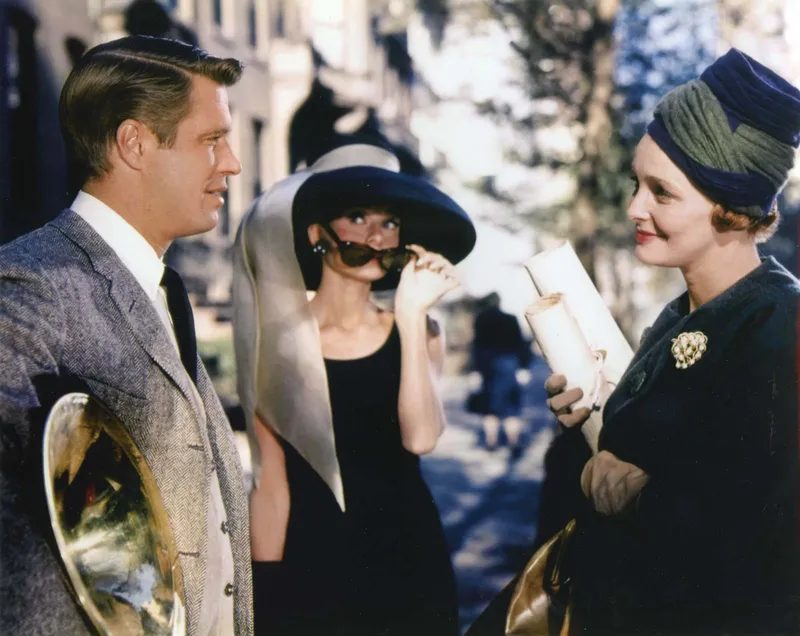
Then came Breakfast at Tiffany’s (1961). George Peppard, Audrey Hepburn, and Patricia Neal. Blake Edwards directed. Hepburn wasn’t just pretty. She was complex. Holly Golightly was a mess wrapped in Chanel. The film sold the fantasy, yes. But it also sold the loneliness behind the glamour.
These weren’t just movies. They were case studies in audience psychology.
Why Audiences Changed
Before Psycho, studios relied on the star system. You knew who was in the movie. You bought the ticket. After Psycho, the script mattered more. The concept mattered more.
- Risk vs Reward: Hitchcock took a massive gamble. He used a B-list cast. He shot in black and white to save money. He got back ten times the budget.
- The Power of Tone: Breakfast at Tiffany’s leaned into romance. But it undercut it with sadness. That mix worked. It wasn’t pure escapism. It felt real.
Studios started paying attention. They stopped asking “Who is the star?” and started asking “What is the hook?”
The Business of Fear and Romance
Let’s look at the numbers, roughly. Psycho cost about $800,000. It grossed over $32 million in its initial run. That’s a 40x return. No studio had seen that kind of efficiency. It proved that original stories could outperform big-budget spectacles.
Breakfast at Tiffany’s was different. It cost around $1.8 million. It grossed roughly $13 million. Not as explosive as Psycho. But it had legs. It sold merchandise. It defined fashion. It had longevity.
These two films show two paths to profit:
- The Event Movie: High shock value. Quick return. Psycho is the model here.
- The Lifestyle Movie: Cultural impact. Long tail sales. Breakfast at Tiffany’s fits here.
Both were smart business moves. But they required different strategies.
What This Means for Investors
You can’t just copy Psycho. You can’t just copy Breakfast at Tiffany’s. But you can learn from their structures.
- Know Your Audience: Psycho targeted the thrill-seeker. Tiffany’s targeted the aspirational dreamer. Be clear about who you are talking to.
- Control Your Costs: Psycho succeeded because it was lean. Don’t overproduce. Efficiency creates margin.
- Build a Brand: Tiffany’s became a brand before the movie
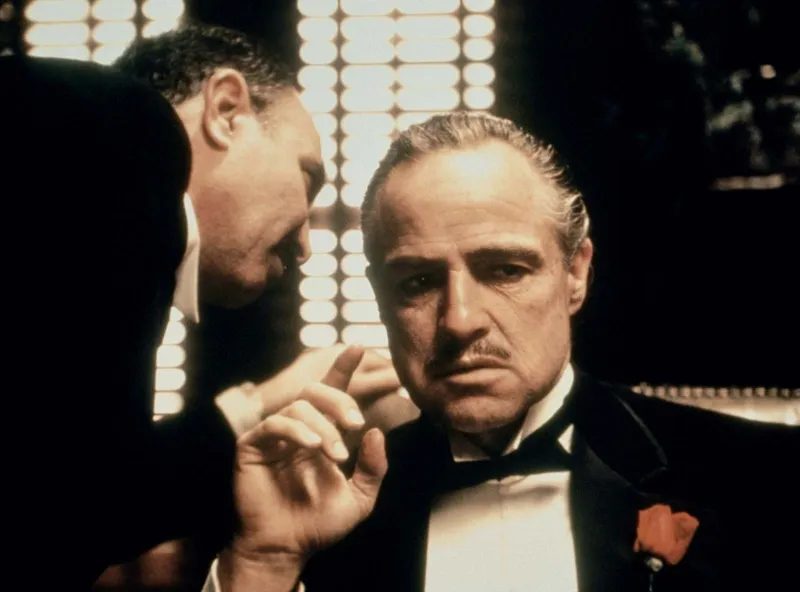
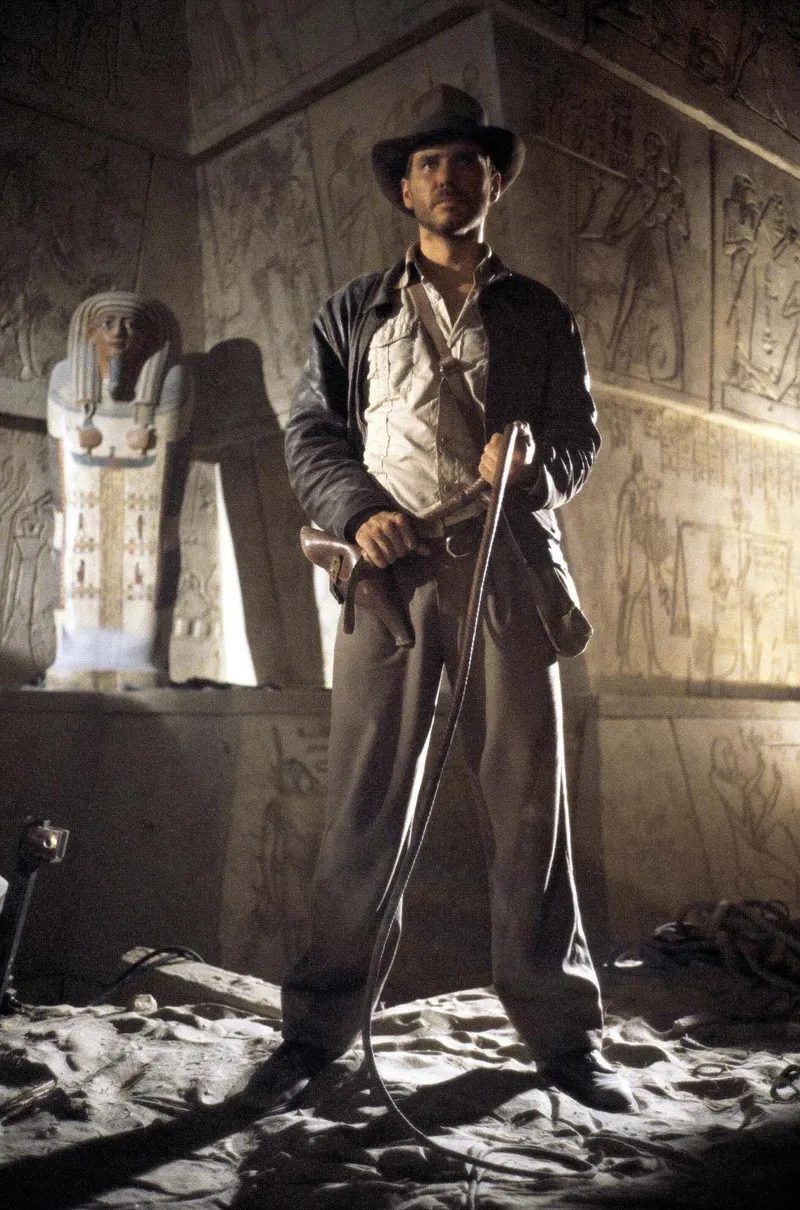
Harrison Ford didn’t just stumble into Indiana Jones. He inherited a legacy of studio giants who knew how to manufacture culture. Look at the imagery from The Godfather (1972). Salvatore Corsitto and Marlon Brando. The tension isn’t just in the script. It’s in the lighting. It’s in the weight of the decision. Francis Ford Coppola didn’t direct a movie. He directed a moment that defined American cinema.
Then there’s Raiders of the Lost Ark (1981). Steven Spielberg. Harrison Ford. The whip crack is iconic, but the engine behind it was cold, hard business strategy. Paramount wasn’t just making movies. They were building an empire.
The Shift to Television Dominance
By the late 1960s, the studio model was fracturing. The old Hollywood system was dying. Paramount saw the writing on the wall. They pivoted. Hard.
In 1967, they made a move that would define the next three decades. They acquired Desilu Productions. You know the name. Lucille Ball. I Love Lucy (1951–56). It wasn’t just a hit show. It was a blueprint for sitcom production. Buying Desilu gave Paramount instant credibility in the living room.
They didn’t stop there. They started churning out the shows that defined family time.
- The Brady Bunch (1969–74). The idealized suburban fantasy.
- Happy Days (1974–84). Nostalgia packaged as entertainment.
- Taxi (1978–83). Gritty, urban, flawed characters.
- Cheers (1982–93). The bar as a sanctuary.
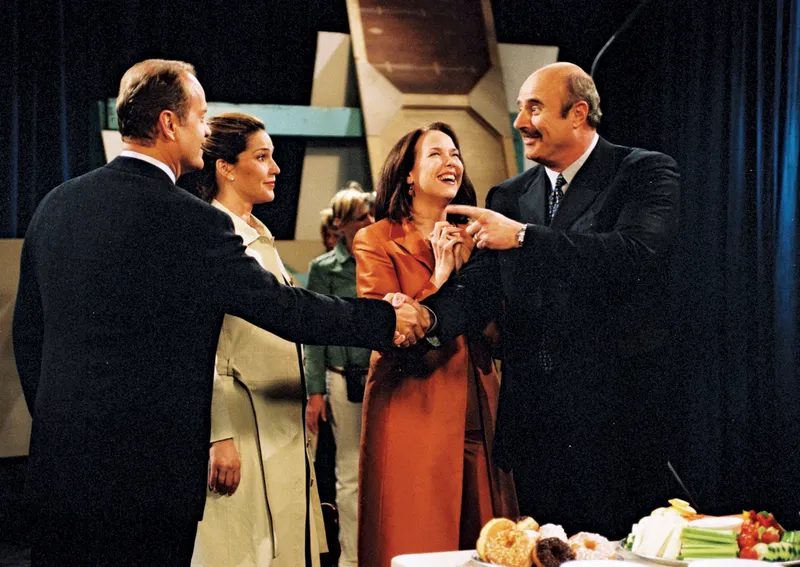
- Frasier (1993–2004). The intellectual spinoff.
This wasn’t random luck. It was a deliberate focus on TV. Paramount Television became a powerhouse. While other studios hesitated, they leaned in.
The Film Roster: High Stakes, High Rewards
But the movies? Those were the crown jewels. The period from 1960 to 1981 saw a mix of psychological thrillers, romance, and epic blockbusters.
Consider Psycho (1960). Hitchcock. Shock value. It changed how audiences viewed suspense. Then Breakfast at Tiffany’s (1961). Audrey Hepburn. Style over substance? No. Style as substance. It sold a lifestyle.
By 1970, Love Story arrived. A different kind of hit. Sad. Simple. Profitable.
Then came the heavy hitters.
Apocalypse Now (1979). Coppola again. A descent into madness. Not just a war movie. A critique of power.
Star Trek: The Motion Picture (1979). And its sequels. It proved that sci-fi could be big-screen business.
And The Godfather sequels. They didn’t just repeat the first. They expanded the mythos.
Indiana Jones sequels. They kept the adventure alive.
This was the era of the blockbuster. But it wasn’t just about money
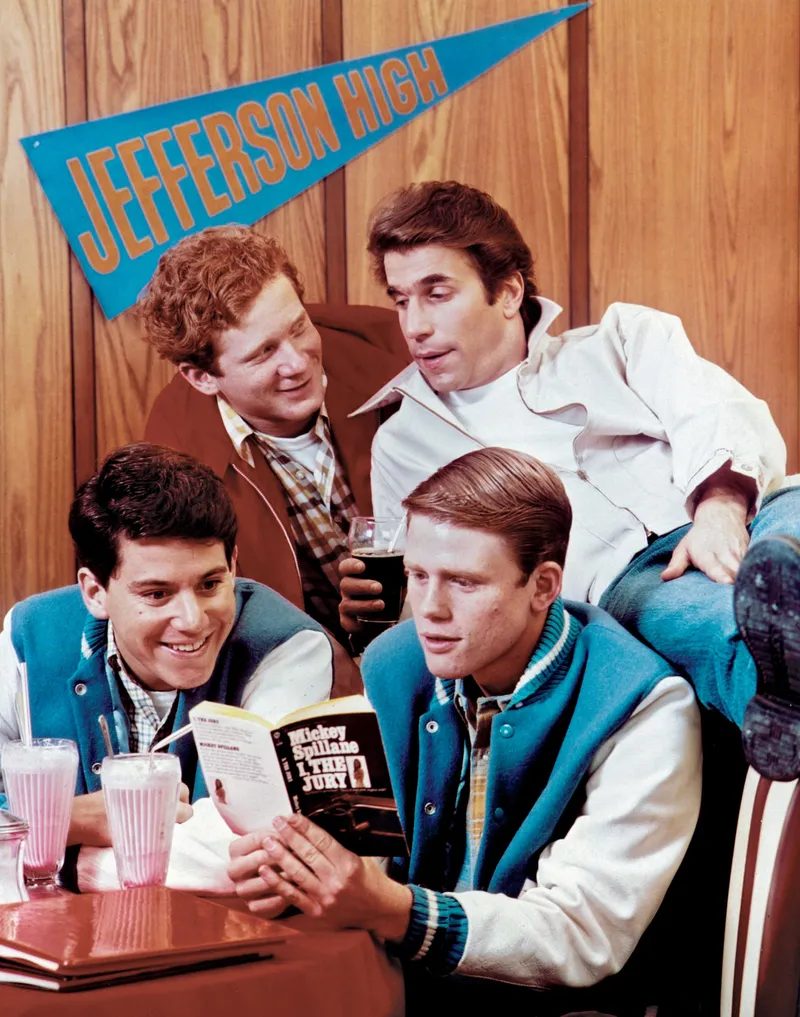
The image is iconic. It captures the essence of 1950s America as filtered through a 1970s lens. Clockwise from the lower left, we see Anson Williams as Potsie, Don Most as Ralph, Henry Winkler as Fonzie, and Ron Howard as Richie. On the surface, it’s just a promotional still for Happy Days. Beneath it, however, lies a complex lesson in Hollywood economics, branding, and the uneven distribution of wealth in the entertainment industry.
For decades, this cast has been a symbol of wholesome American television. But looking closer at their financial trajectories reveals why some actors build lasting empires while others struggle to maintain their footing long after the cameras stop rolling. The show itself was a massive cultural phenomenon, running for 258 episodes over nine seasons. But the real story isn’t in the ratings; it’s in the residuals and the backend deals.
The Fonzie Premium: Why One Role Changed Everything
Henry Winkler’s Arthur “Fonzie” Fonzarelli didn’t just join the cast; he became the show’s anchor. While the premise of Happy Days was rooted in the nostalgic family dynamics of the Cunningham household, the ratings soared when Winkler’s character took center stage. This shift wasn’t just creative; it was financial.
Winkler negotiated some of the most favorable contracts of its time. He didn’t just take a salary. He secured significant backend participation. In an industry where actors are typically paid a weekly rate, Winkler’s deal allowed him to share in the profits of syndication. This is the key differentiator. Syndication residuals are the lifeblood of long-term wealth for cast members of long-running sitcoms.
“Syndication is where the real money is made for sitcom actors.”
While the exact figures of Winkler’s backend points are private, industry experts estimate that his earnings from Happy Days syndication alone likely surpassed $100 million. This wasn’t luck. It was strategic negotiation at the height of the show’s popularity. He leveraged the character’s immense popularity to secure a stake in the asset itself.
Ron Howard’s Strategic Pivot: From Actor to Producer
Ron Howard, playing the straight-man Richie Cunningham, took a different path. While he earned a solid salary as the lead actor, his true financial triumph came from stepping behind the camera. Howard didn’t just rely on his acting income. He pivoted to directing and producing, leveraging his fame to build a production company.
His decision to move into production allowed him to control more of the revenue stream. While Happy Days provided his initial capital and name recognition, his subsequent work in film and television generated vastly higher returns. Howard’s journey illustrates a critical lesson for anyone in the creative industries: diversify your income streams. Relying solely on acting roles is risky. Building equity in production offers stability and scalability.
The Rest of the Cast: Navigating Residuals and Career Longevity
Anson Williams and Don Most, playing Potsie and Ralph respectively, provide a contrasting case study. They were part of the core cast, appearing in nearly every episode. This means they are entitled to substantial residuals from syndication broadcasts.
However, the amount
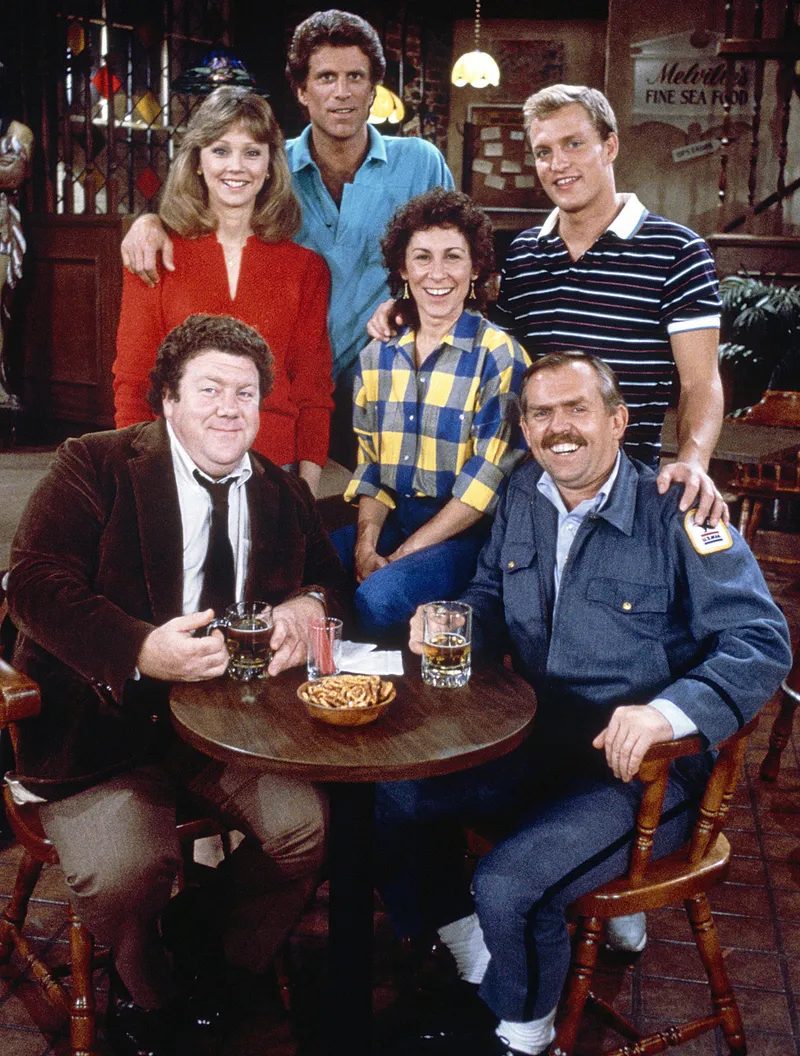
The ensemble behind the hit sitcom Cheers is often remembered as one of television’s most iconic groups. When looking at promotional photos from the show’s peak, you might see a familiar lineup.
(from left to right): George Wendt, Shelley Long, Ted Danson, Rhea Perlman, Woody Harrelson, and John Ratzenberger. Other members of the cast during Cheers ‘s long run not pictured here: Nicholas Colasanto, Kirstie Alley, Kelsey Grammer, and Bebe Neuwirth.) Paramount Television
The Core Barflys
Ted Danson anchored the series as Sam Malone, a former relief pitcher turned bar owner. He remained with the show for its entire eleven-season run. George Wendt played Norm Peterson, the loafing regular known for his catchphrase, “Where’s the warm?” Woody Harrelson joined in season three as Woody Boyd, a naive farm boy from Kansas. John Ratzenberger was Cliff Clavin, the postal worker and resident know-it-all.
Shelley Long originated the role of Diane Chambers, a pretentious lawyer who moved into Sam’s life and the bar. She left in season five, and her absence reshaped the dynamic.
Notable Absences and Additions
The photo doesn’t capture everyone who made the show what it was. Nicholas Colasanto played Coach, Sam’s older friend and the bar’s original manager. He died during the second season. Ted Danson’s character took over the bar afterward.
Kirstie Alley replaced Shelley Long as Rebecca Howe, Sam’s ambitious boss from New York. She stayed for five seasons. Kelsey Grammer began as Dr. Frasier Crane, Sam’s brother and a psychiatrist. He started as a recurring guest, then became a main cast member. His performance was so popular the show spun him off into Frasier. Bebe Neuwirth joined as Lilith Sternin, Frasier’s ex-wife and an academic rival.
Why It Matters
Knowing the full cast helps explain the show’s evolution. Different actors brought different energies. Norman’s silence contrasted with Cliff’s chatter. Sam’s charm clashed with Diane’s intellect. Later, Rebecca’s ambition and Frasier’s pretension added new layers.
The mix of regulars and rotating characters kept the writing fresh. It also allowed for long-running arcs. Sam and Diane’s relationship defined early seasons. Frasier’s departure set up a successful sequel series.
Real Numbers and Trade-offs
The show ran for eleven seasons. It aired on NBC from 1982 to 1993. Ted Danson received six Emmy nominations for his role. Kelsey Grammer won four Emmys for Frasier, both in the original show and the spinoff.
Shelley Long left after five seasons. Her exit was a major trade-off. Ratings dipped initially. The show had to reinvent itself without Diane. It focused more on the bar staff and Sam’s life. This shift proved successful.
Nicholas Colasanto’s death was a real-life tragedy. The show had to write him out quickly. They explained Coach’s death off-screen. This forced Sam to take ownership of the bar. It was a significant plot point.
Where to Watch Now
If you want to see the full cast in action, streaming services like Peacock
The Viacom Merger and 90s Box Office Dominance
The landscape of Hollywood shifted dramatically in 1994. Viacom Inc. didn’t just buy a stake in Paramount Communications; it acquired the whole deal. This merger set the stage for a decade of unprecedented commercial dominance.
The films coming out of Paramount during this period weren’t just successful. They were cultural phenomena.
Look at the slate.
Ghost arrived in 1990. It became a massive hit.
Then came Forrest Gump in 1994.
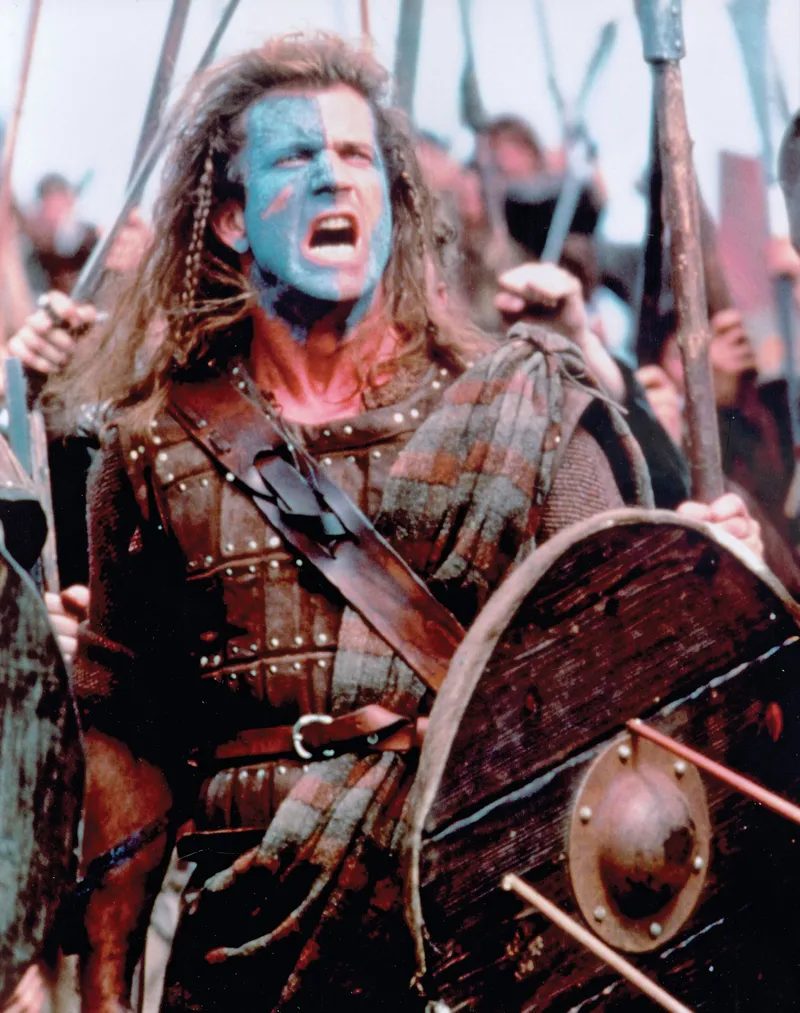
Braveheart followed in 1995.
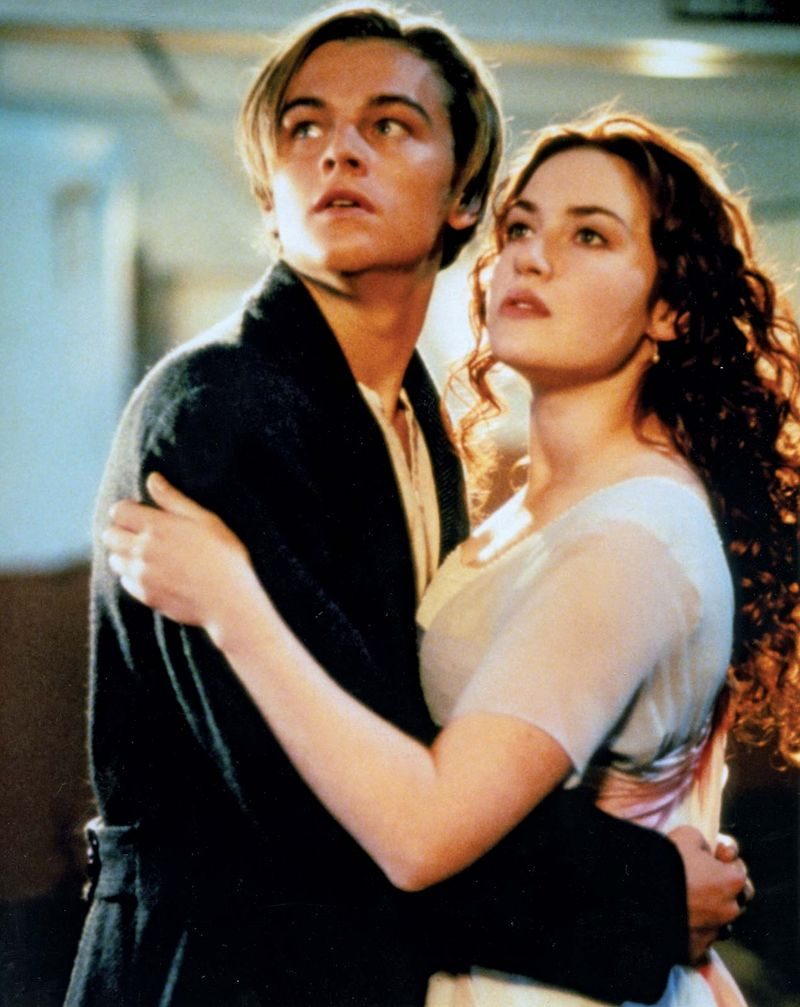
But the crown jewel was Titanic.
Released in 1997, the James Cameron epic wasn’t a solo Paramount venture. It was a co-production with 20th Century Fox. That partnership proved essential. The movie shattered records. It tied the all-time record for Academy Awards with 11 wins.
More importantly, it broke the bank. Titanic became the first film in history to cross the $1 billion mark at the global box office.
That number changed how studios viewed potential returns.
The Viacom acquisition gave Paramount the resources to greenlight these massive projects. The results spoke for themselves.
The Split and the Chinese Bet
The Braveheart era (1995) is long gone. Even the Titanic boom of 1997 feels like a different industry.
In the early 2000s, Viacom didn’t just grow. It fractured.
The company split into two: Viacom and CBS Corporation. The logic was clean on paper. Viacom kept Paramount Pictures. CBS took CBS Television. They were neighbors, not roommates anymore. CBS Paramount Television kept a few loose production ties with Paramount Pictures, enough to remind everyone of the shared history, but the corporate umbrellas were separate. No more direct affiliation.
Foreign investment and box office struggles
Then came 2016.
Viacom was in trouble. Box office numbers were soft. So they looked abroad.
They negotiated to sell a 49% stake in Paramount Pictures to Wang Jianlin’s Dalian Wanda Group. A Chinese entertainment giant buying into Hollywood.
The deal died.
But the money didn’t.
In 2017, Paramount still took major investments from two Chinese film companies. The studio needed the cash. The hits from that period were specific: The Wolf of Wall Street (2013), The Fighter (2010). Later, the Iron Man and Star Trek franchises kept the lights on. But the struggle for stability was real.
Skydance acquisition of Paramount Global
Fast forward to July 2025.
Paramount Global was acquired.
The buyer: Skydance Media.
The price: $8 billion.
The combined entity was valued at $28 billion. The Federal Communications Commission (FCC) approved the merger. David Ellison, CEO of Skydance and son of Oracle (ORCL) co-founder Larry Ellison, took the reins.
Paramount Pictures became a subsidiary.
The new name? Paramount Skydance Corporation.
The era of Paramount as a standalone media conglomerate ended.
It wasn’t just business. It was political.
The merger followed a legal settlement involving CBS News and President Donald Trump. The fallout imposed editorial conditions on CBS. It didn’t touch Paramount Pictures’ operations directly. But the landscape had shifted.