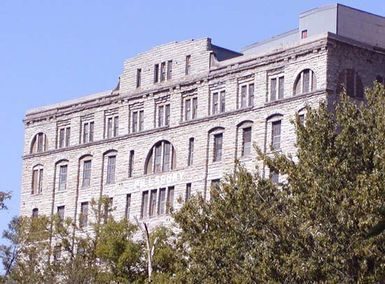
The old mill of the Pillsbury Company in Minneapolis, Minnesota. William Wesen
You might think of Pillsbury as just another shelf in the grocery aisle. That is not how it started.
The Pillsbury Company was a major American flour miller and food products manufacturer. It was acquired by General Mills in 2001. Both giants were headquartered in Minneapolis, Minnesota. The merger ended a long rivalry between the two firms.
For decades, Pillsbury defined home baking in the US. It did this through cookbooks and contests. The annual Pillsbury Bake-Off is the most famous example. It remains a key part of the brand’s identity today. Some products, like Pillsbury’s Best flour, are still produced. They have survived the acquisition and many ownership changes.
Early ownership and milling innovations
The company began in 1869. Charles A. Pillsbury bought a share in a Minneapolis flour mill. He expanded quickly. He bought more mills. He also improved the milling process.
These changes led to a reorganization in 1872. The firm became C.A. Pillsbury and Company. The independence did not last. An English syndicate bought the company in 1889.
They merged Pillsbury with other mills they owned. The new entity was Pillsbury-Washburn Flour Mills Company, Ltd. Charles Pillsbury stayed on as managing director. The Pillsbury family eventually regained ownership. This happened in the 1920s. The company was formally incorporated as Pillsbury Flour Mills Company in 1935.
Expansion beyond flour
Flour was only the start. The company looked for other revenue streams.
In 1972, Pillsbury started buying Burger King outlets. It moved fast. It soon owned the entire chain. This was a major shift from food production to fast-food ownership.
The strategy continued. Pillsbury acquired The Green Giant Company in 1979. This gave it access to canned and frozen vegetables. It also included frozen prepared foods.
Another big move came in 1983. Pillsbury bought Häagen-Dazs. This added premium ice cream and frozen yogurt to its portfolio.
Why the acquisition mattered
Why did General Mills buy Pillsbury in 2001?
Both companies were based in Minneapolis. They were direct competitors in the baking-goods industry. The acquisition consolidated market power. It ended the rivalry.
Pillsbury’s brand equity was strong. The Bake-Off contests built trust. Cookbooks reinforced the home-baking image. These assets were valuable to General Mills.
The history shows a clear pattern. Pillsbury grew by buying other companies. It bought mills. It bought Burger King. It bought Green Giant. It bought Häagen-Dazs. Each acquisition added a new category.
The Pillsbury name survived. The flour is still there. The brand is still recognizable. The acquisition changed the ownership structure. It did not erase the history.
The company’s path from a single mill share to a global food giant is complex. The deals were bold. Some worked. Some were sold later. The core brand remained.
What happens to a brand after decades of changes? It stays on the shelf. It keeps making flour. It keeps running contests. The details change. The name

How General Mills Acquired Pillsbury’s Legacy in 2001
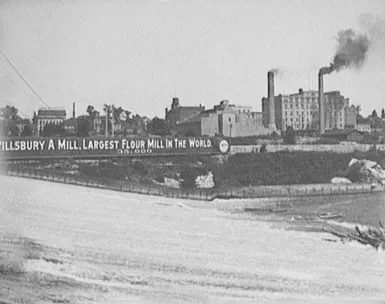
The Pillsbury A Mill in Minneapolis, Minnesota, stands as a tangible relic of an era when the brand was a titan in its own right. A 1905 photograph from the Library of Congress captures the industrial scale of operations that would later define American baking. But the corporate lineage of Pillsbury is far more complex than just flour and dough. It is a story of international consolidation, strategic divestitures, and the eventual absorption by one of its fiercest competitors.
From 1989 to 2001, Pillsbury was not an independent American entity. It belonged to Grand Metropolitan PLC, a British company that had acquired the food giant. Grand Metropolitan would eventually rename itself Diageo PLC, pivoting hard toward spirits and beverages. This shift left Pillsbury’s food assets in a holding pattern, ripe for acquisition. The endgame arrived in 2001. General Mills, the Minneapolis-based competitor, acquired the bulk of Pillsbury’s assets. The deal was massive, but it came with strings attached to satisfy regulatory concerns and market realities.
One key constraint defined the deal: Burger King remained separate. Diageo kept the fast-food chain as a distinct division until it sold it in 2002. This meant General Mills bought the brands they wanted to compete with in the grocery aisle, not the restaurant industry. The acquisition was a strategic move to dominate the shelf space in supermarkets across North America.
The Licensing Game: Häagen-Dazs and Nestlé
Perhaps the most interesting layer of the Pillsbury-GM merger involves ice cream. General Mills did not own all rights to every product under the Pillsbury umbrella. The Häagen-Dazs brand, for instance, was marketed through a joint licensing agreement between Nestlé and General Mills. This arrangement allowed both companies to distribute the premium ice cream line globally, splitting markets and responsibilities. It wasn’t just about acquiring a brand; it was about managing complex international licensing structures that survived the buyout.
Today, the Pillsbury name lives on in a diverse portfolio of consumer food products. The brand manufactures frozen biscuits and rolls, a category where it remains a market leader. Breakfast foods, cookie dough, and cake mixes are staples in many pantries. Snack foods round out the offering, targeting the convenience market. The transition from an independent mill owner to a division of General Mills shifted the focus from raw ingredient production to branded consumer goods.
The acquisition wasn’t just about buying a name; it was about securing shelf space in a crowded supermarket landscape.
The Pillsbury A Mill’s closure or repurposing marks the end of an industrial chapter, but the corporate entity persists through General Mills’ distribution network. The complexity of the 2001 deal—where burger chains were left behind and ice cream rights were shared—shows how modern M&A is rarely a simple purchase. It’s a negotiation of assets, liabilities, and global brand agreements. The result is a food conglomerate that leverages historical brand recognition to maintain relevance in an increasingly consolidated market. The mill in Minneapolis is static. The business moves forward, adapting to new retail dynamics and shifting consumer tastes.