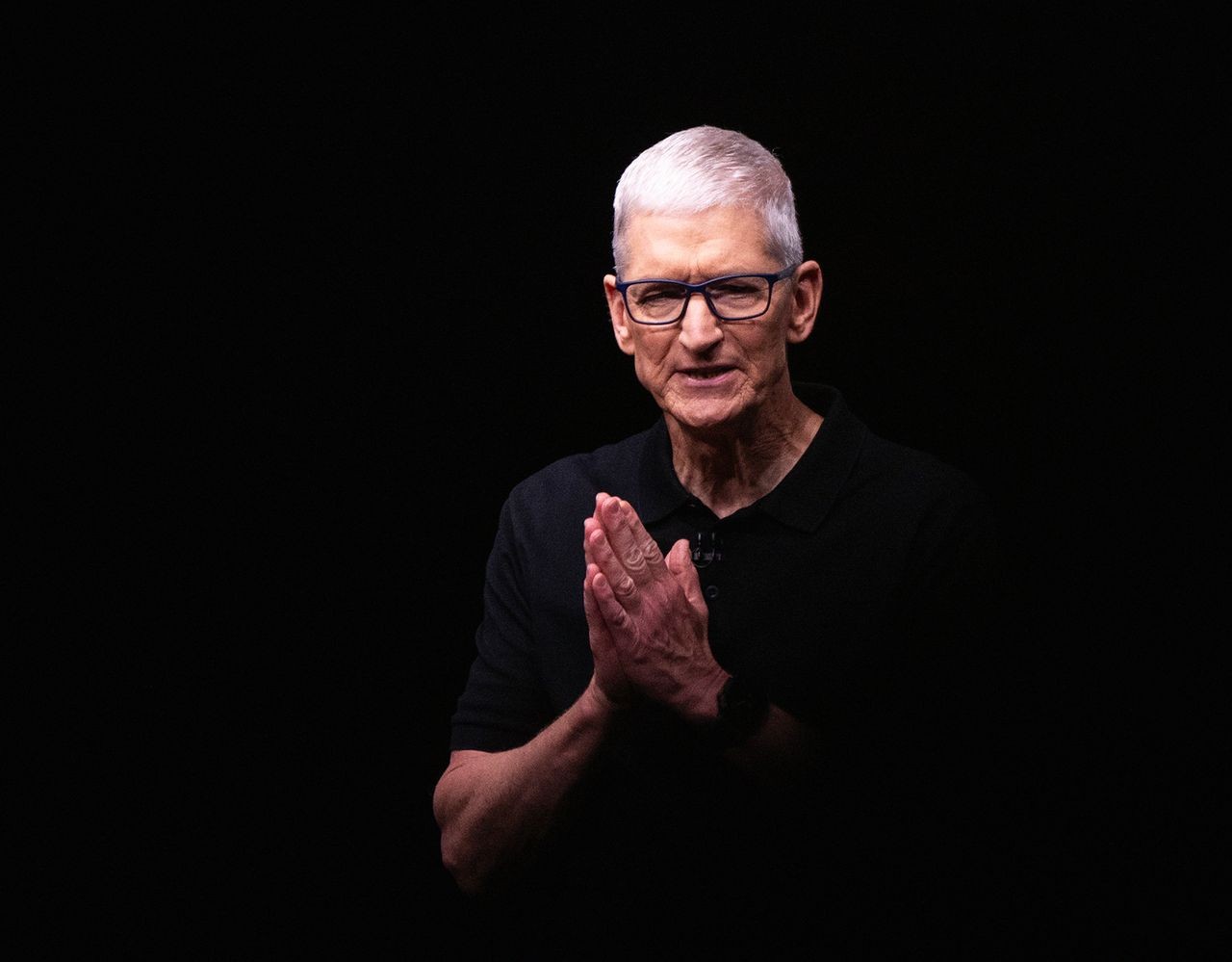
As Tim Cook prepares to conclude his tenure as CEO on September 1, his legacy is increasingly defined by a fundamental transformation of Apple’s business model. While Cook ushered the company into a trillion-dollar era through operational excellence, his most profound impact has been the pivot from a hardware-centric company to a dominant platform and services powerhouse.
The Rise of the Subscription Economy
Under Cook’s leadership, Apple has successfully built a massive “subscription layer” on top of its hardware ecosystem. This includes a diverse array of services such as iCloud, the App Store, Apple Music, Apple TV+, and News+. These services are not merely add-ons; they are deeply integrated into the iOS experience, creating a “sticky” ecosystem that makes it difficult for users to leave the iPhone.
The financial scale of this shift is staggering:
– Record Revenue: In the quarter ending December 2025, services revenue hit an all-time high of $30 billion, a 14% year-over-year increase.
– Dominance: The services division now generates more revenue than the Mac, iPad, Apple Watch, and Home accessories combined.
– Annual Growth: For the 2025 fiscal year, services generated over $109 billion, maintaining a steady 14% growth trajectory.
To put this in perspective, when Cook took over in 2011, “services” were not even a standalone financial category. At that time, the entire iTunes ecosystem was generating roughly $6 billion annually. Cook has effectively scaled that concept by nearly 20-fold.
The Transition to the AI Era
As the leadership baton passes to John Ternus, Apple faces its next great challenge: integrating generative AI into its ecosystem. This transition is far from seamless. Apple’s foray into advanced AI—branded as “Apple Intelligence” —has been met with internal turbulence and public skepticism.
The company has struggled to modernize its virtual assistant, Siri, which has long been criticized for its limitations. Recent years have seen a wave of departures from Apple’s AI divisions, including senior executive Robby Walker and the head of AI, John Giannandrea. This leadership vacuum has reportedly left software chief Craig Federighi overseeing Siri’s development.
Why John Ternus is a Strategic Choice
At first glance, John Ternus—a veteran hardware engineer—might seem like an unconventional choice to lead a company through an AI revolution. However, his background reveals a crucial strategic advantage.
Ternus was the architect behind Apple’s massive transition from Intel processors to Apple Silicon (ARM). This was not just a hardware update; it was a “system-level brain transplant” that required immense coordination across software and hardware teams.
This experience is vital because modern AI requires a platform-level approach. Successful generative AI depends on the synergy between:
1. Custom Silicon: High-performance chips capable of running complex models.
2. Software Integration: Seamlessly embedding AI into the OS and services.
3. Ecosystem Continuity: Ensuring the AI feels like a natural part of the user experience.
The Three Paths for Apple’s AI Future
Ternus must now decide how Apple will “productize” AI through its services. There are three primary strategic directions the company could take:
- The Embedded Approach: Using AI to enhance existing services, such as using generative tools to create custom emojis in Messages or personalized playlists in Apple Music. This could also bolster Apple’s growing advertising business within the App Store.
- The Partner Approach: Relying on external giants. Apple has already secured a multiyear deal to integrate Google Gemini into its products. This allows Apple to offer advanced AI capabilities immediately without bearing the full brunt of R&D risks.
- The Native Approach: Developing proprietary, “containerized” AI experiences. This would involve building a truly capable Siri or entirely new hardware designed specifically for generative AI interaction.
The success of Apple’s next era depends on whether Ternus can treat AI not as a standalone product, but as the new “glue” that binds Apple’s services together.
Conclusion
Tim Cook has successfully turned Apple into a subscription-driven platform. The challenge for his successor, John Ternus, is to determine if Apple’s proprietary chips and software can turn generative AI into the next essential layer of that platform.