House Republican leadership has released a new legislative proposal to reauthorize Section 702 of the Foreign Intelligence Surveillance Act (FISA). While the bill includes various oversight measures, critics argue it fails to address the core issue: the ability of federal agents to search the communications of Americans without a warrant—a practice a federal court ruled unconstitutional last year.
The proposed bill seeks to extend the embattled surveillance program for three years. This follows a failed attempt last week to secure a clean 18-month extension, which was thwarted by a revolt within the Republican party.
The Core of the Controversy: Section 702
Section 702 is designed to allow the government to collect foreign intelligence. However, it has become a flashpoint for civil liberties concerns due to documented instances where federal agents used the database to monitor:
– Racial justice protesters
– Political donors
– Journalists
– Sitting members of Congress
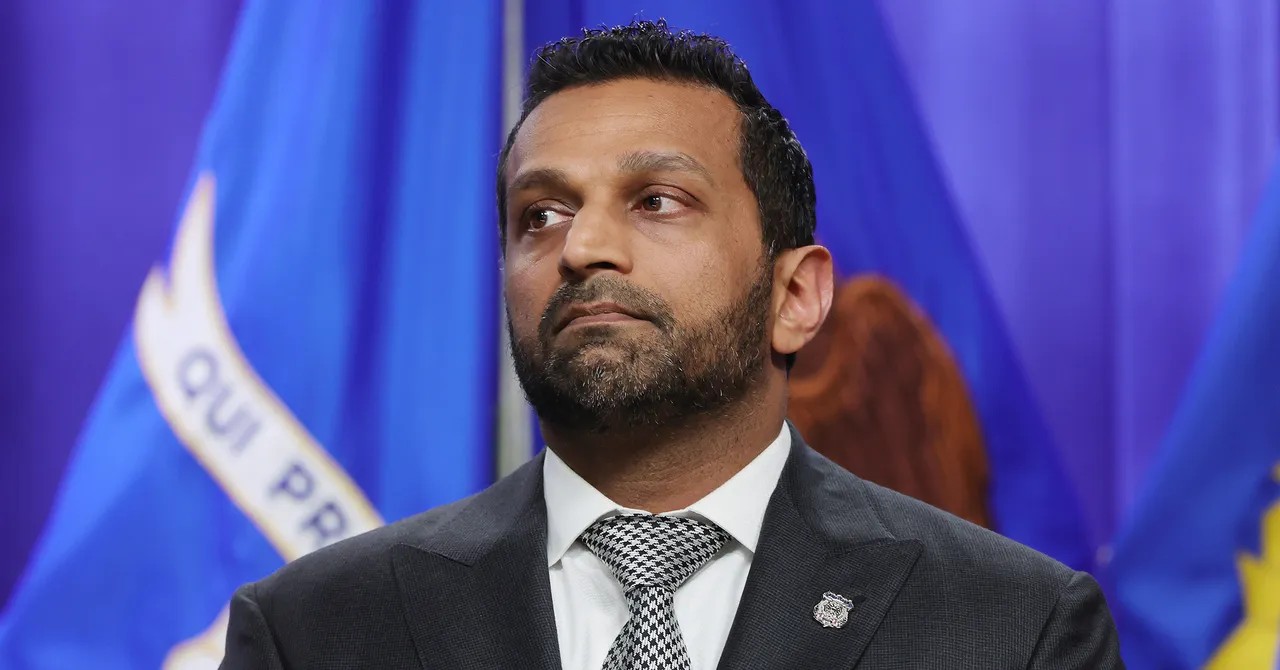
Recent reports have intensified these concerns. For instance, The New York Times revealed that FBI agents searched federal databases regarding reporter Elizabeth Williamson following her coverage of the FBI Director’s personal life. While the Bureau has not confirmed if Section 702 data was used in that specific instance, the incident highlights the potential for domestic misuse.
Analyzing the “New” Oversight Measures
The current bill introduces several provisions that appear to tighten control over the FBI, but analysts suggest these reforms may be largely cosmetic.
1. The Oversight Gap
Section 2 requires the FBI to provide monthly justifications for queries involving American identifiers to the Office of the Director of National Intelligence (ODNI). However, this shift comes after the FBI’s own Office of Internal Auditing (OIA) was shuttered. The ODNI office taking over this role has significantly fewer staff, lacks subpoena power, and cannot suppress improper queries. Furthermore, the attorneys tasked with this review have recently been reclassified as “at-will” employees, meaning they could be fired for flagging improper government activity.
2. The “Intent” Loophole
Section 3 threatens FBI employees with prison time for “knowingly and willfully” violating querying rules. While this sounds strict, legal experts note that “willful” is one of the highest bars in criminal law. Historically, the FBI has avoided prosecution for past abuses by attributing them to “inadequate training” or “unintentional error,” effectively bypassing this standard.
3. The “Fourth Amendment” Label
Perhaps most controversial is Section 4, which explicitly mentions “Fourth Amendment Requirements.” Critics, including Democratic aides, have labeled this a “legislative scam.” They argue the heading is designed to mislead lawmakers into believing they are enacting constitutional safeguards, when in reality, the section merely restates conduct that is already illegal.
4. Limited Structural Changes
While Section 6 moves the authority to approve certain queries from FBI supervisors to attorneys, these attorneys remain part of the vulnerable “at-will” workforce. Additionally, Section 7 mandates a GAO audit, but because the audit is nonbinding and depends on the intelligence community providing access to technical data, its efficacy remains uncertain.
The Political Battleground
The bill has drawn sharp criticism from both sides of the aisle. Senator Ron Wyden described the legislation as a “rubber stamp” that replaces real transparency with “fake reforms.”
Within the House, Representative Jim Himes (D-CT) has emerged as a key supporter, citing a lack of evidence of abuse under the current administration. However, Himes faces mounting pressure from constituents who accuse him of enabling warrantless surveillance.
“This bill only requires a few more Trump administration officials to check a box. That always leads to more abuses, not less.”
— Senator Ron Wyden
Conclusion
The proposed FISA reauthorization attempts to balance national security needs with privacy concerns through a series of new oversight layers. However, by failing to mandate a warrant requirement and weakening the independence of oversight personnel, the bill may ultimately preserve the very surveillance abuses it claims to regulate.