On Instagram, Jae Young Joon is a sensation. With his chiseled physique, deep brown eyes, and a lifestyle that includes Coachella trips and music releases, he possesses everything required to be a top-tier influencer. His followers shower his posts with heart-eye emojis and praise.
However, there is a catch: Jae Young Joon does not exist.
His “human mind” is actually a line in his bio that most followers seem to ignore. Jae is a purely AI-generated character, part of a growing movement of creators building digital avatars to occupy the space once reserved exclusively for human celebrities.
The “Digital Role-Play” Economy
Luc Thierry, the Canadian creator behind Jae, views his work not as a deception, but as a form of modern entertainment. While he is transparent about Jae being artificial, he acknowledges that many fans choose to engage with the character as if he were real.
“I feel like my job as a creator is to indulge in that and allow them to feel like they’re part of it… the same way you’d form a parasocial relationship with a character from a video game.”
This phenomenon creates a unique digital dynamic. Unlike traditional influencers who build brands on “authenticity” and “relatability,” AI creators are building immersive fantasies. They are essentially producing a continuous, interactive TV show where the characters live on social media feeds rather than a television screen.
Controversy and the Red Carpet “Crash”
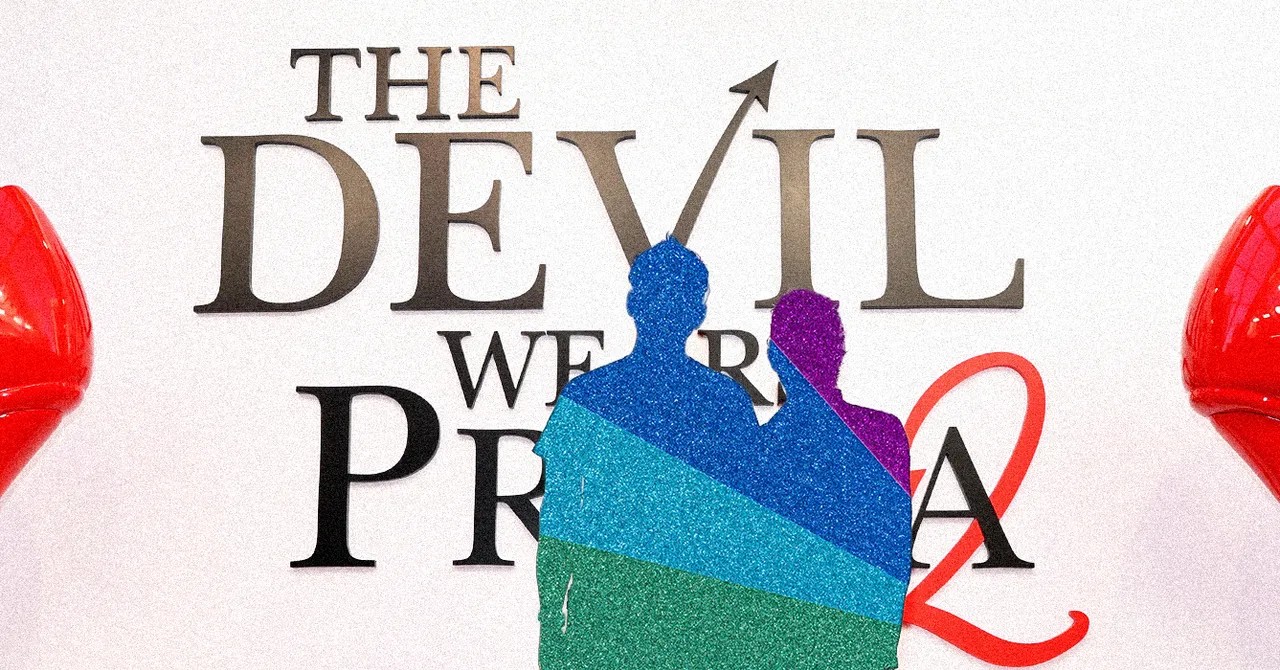
The tension between AI and reality reached a boiling point recently when two AI models, “Santos Walker” and “Caleb Ellis,” appeared to attend the premiere of The Devil Wears Prada 2. The images went viral, sparking intense debate:
- Deception vs. Art: Some users accused the creators of “fake” marketing, while others questioned if this was a coordinated brand stunt.
- Unrealistic Standards: Critics argued that these flawlessly proportioned, hyper-masculine avatars exacerbate body image issues, particularly within the gay community.
- The Future of Marketing: There is growing anxiety that brands will eventually prefer 100% controllable, “perfect” AI models over human influencers who require sleep, food, and complex emotions.
While the red carpet appearance was not a paid promotion—it was an intentional “digital prank” by the creator—it served as a proof of concept for the power of AI storytelling.
A New Community of Creators
Despite the online backlash, these creators are not working in isolation. They have formed tight-knit digital communities to support one another.
- Collaborative Growth: Creators frequently “cross-pollinate” their audiences by having their AI characters interact in photos and videos.
- Emotional Support: Because the backlash often targets the creation rather than the person, creators use private group chats to navigate the unique bullying and criticism that comes with managing digital personas.
- Niche Targeting: While many AI models target a broad audience, there is a significant movement toward creating specific archetypes for the gay male community.
The Ethical Dilemma: Transparency vs. Immersion
Thierry admits to a persistent moral struggle: the “Fourth Wall” problem.
When fans send heartfelt, lovelorn messages to Jae, Thierry faces a dilemma. To be perfectly honest might ruin the “magic” of the fantasy, but to remain silent feels exploitative. He argues, however, that AI is no more “unreal” than the highly filtered, curated lives of human influencers. In his view, an AI character that admits it is fake is more honest than a human influencer who presents a heavily edited, unrealistic version of reality.
What’s Next for AI Influencers?
The industry is moving from experimentation to professionalization. Thierry is already launching Born2BeAI, an agency for AI models, and Virtuomo, a community specifically for male AI avatars.
While major brands remain cautious due to the controversy, the precedent has already been set by figures like Lil Miquela, who has secured deals with luxury brands like Prada. As the technology improves and public perception shifts, the line between “real” celebrity and “generated” icon will likely continue to blur.
Conclusion: The rise of AI influencers marks a shift from human-centric social media to a landscape of curated digital fantasies, raising profound questions about authenticity, body image, and the future of the creator economy.