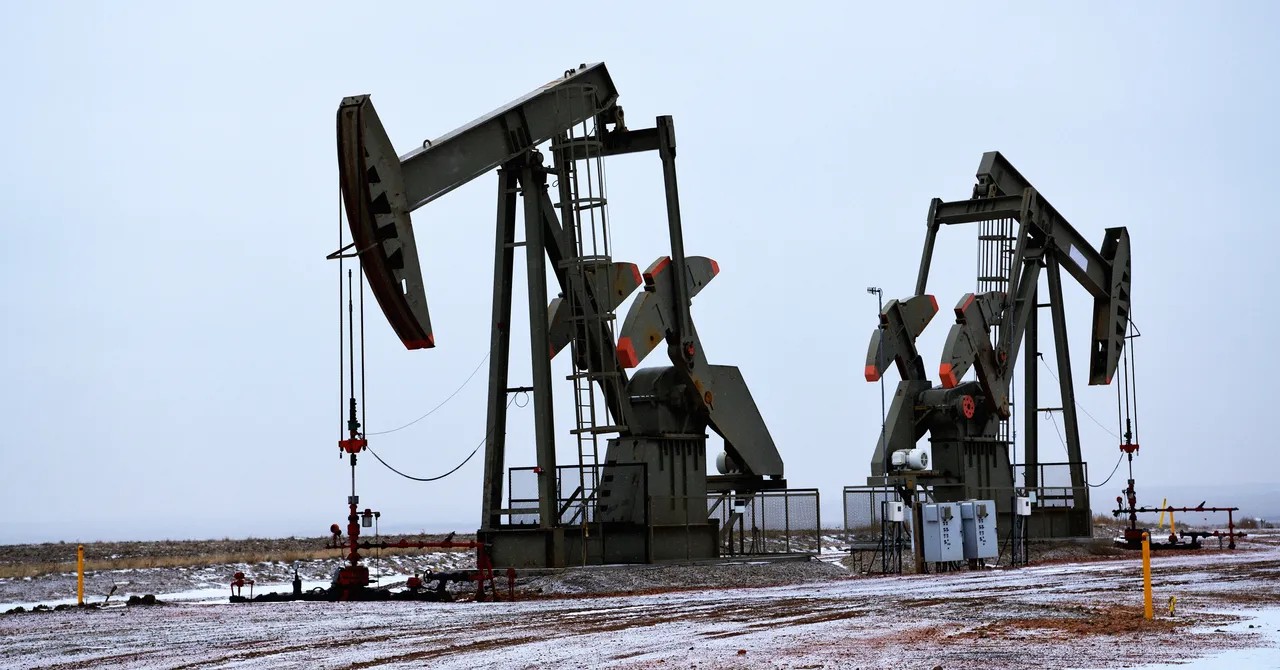
There is gold in them, hills. Or maybe just warm water. Millions of abandoned oil and gas wells scatter the United States. They are ghosts. Relics of an earlier, dirtier era. Many have no owners. Most leak methane. Some poison groundwater.
The cleanup bill? Astronomical. Plug one well, spend $100,000. Do it for every site in Oklahoma? It takes 235 years. Nobody likes those math problems.
So states are getting creative.
Instead of sealing the holes, what if we used them?
Policymakers from both parties are looking at these orphans and seeing something else. Not trash. Opportunity. The holes are already dug. The data exists. Oil and gas maps show us where the rock is. Geothermal startups just need permission to enter.
The Legislative Gamble
Oklahoma leads the charge. Their Senate is chewing on the Well Repurposing Act. The goal is simple: let companies buy abandoned wells. Convert them to geothermal taps. Or use them for underground storage.
Why bother?
“It recognizes that these wells are a liability,” Dave Tragethon from the Well Done Foundation explains. “But there may be a way… to turn them into revenue.”
Revenue means motivation. If a broken thing has value, someone will fix it. New Mexico tried this last year with 2,000 orphan wells. Now Oklahoma looks to mirror the play.
Alabama joined in too. Last month, they passed laws to regulate the switch from fossil fuels to earth heat. North Dakota wants a feasibility study. Colorado launched a technical review for repurposing and carbon capture.
It is bipartisan. It is rare. The Trump administration tried to stall renewables. Geothermal slipped through the cracks. It survived. Maybe because it feels familiar. Maybe because the demand for cheap power is just that high.
Technological Hurdles
Here is the rub. It is hard.
Geothermal works by cycling fluid through hot rock. Spin turbines. Heat homes. New drilling tech has opened up fresh frontiers. But old oil wells? They are different animals.
Most fossil fuel wells sit in rock that isn’t hot enough. You need intense heat to make electricity efficiently. Cold rock yields weak current. Then there is the chemistry problem. Underground reservoirs hold nasty surprises. Heavy metals. Sulfur. If that mixes with the geothermal fluid, you have a contamination mess.
Arash Dahi Taleghani at Penn State calls it complicated. Converting wells is expensive. So far, few have done it successfully.
Emily Pope, a geologist at the Center for Climate and Energy Solution, says we are still in the research phase. The opportunity is massive, but the tech isn’t quite there. Not yet.
“We have immense hurdles,” she notes. “It is worth doing the R&D.”
Proof of Concept?
University of Oklahoma researchers have a pilot project. Four old wells. A grant from the DOE’s Wells of Opportunity. They plan to pipe geothermal heat to schools in Tuttle, Oklahoma. Real houses. Real warmth.
But then the money stopped. A federal funding freeze hit last year. The project paused. Waiting.
Saeed Salehi, who ran the project before moving to Southern Methodist, sees the upside.
“Why drill new when the hole is already there?”
Skipping the drilling phase saves millions. It turns a liability into an asset. Communities get cheaper winter heating. The grid gets steady baseload power.
“But everything is a custom solution,” Salehi warns. “It depends on the region.”
Permitting used to be a nightmare. Nine months to get approval in Tuttle. States lack frameworks for ownerless, decades-old infrastructure. That is changing. Alabama and Oklahoma are streamlining the rules.
Will it work at scale?
Probably not tomorrow. But the direction feels right. The heat is literally right beneath our feet. We just need to stop ignoring the holes we’ve already punched in it.
What do we do with the ones that stay cold? 🤔