The lettuce is killing us. Or at least, it’s making us sick in a way that feels personal, visceral, and entirely preventable.
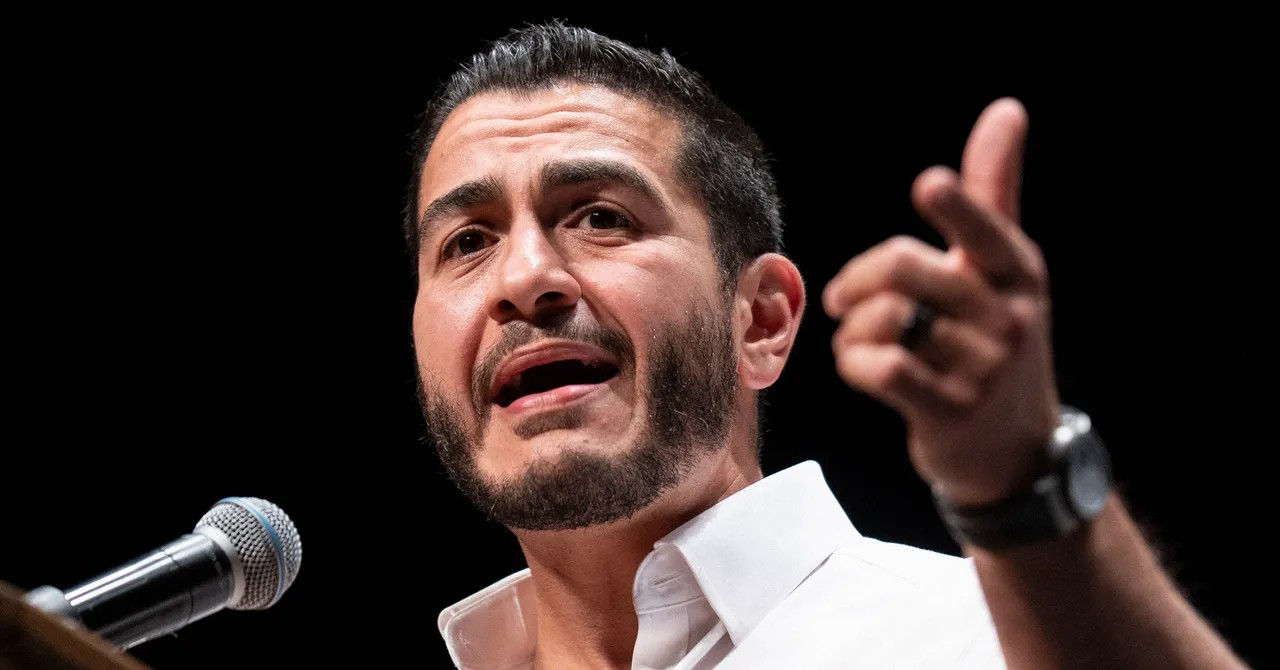
Abdul El-Sayed, the epidemiologist and MD-PhD currently running for the U.S. Senate in Michigan, doesn’t sugarcoat it. He calls out the Department of Government Efficiency (DOGE) for downsizing the federal lab responsible for testing produce. The result? A surge in cyclosporiasis. You eat the leafy greens. You spend five days on the toilet. It sucks.
It’s not just the food. Last week, Canadian wildfire smoke turned Michigan’s air toxic, forcing active residents to stay indoors. The state is ground zero for a twin crisis: polluted air and contaminated food supply.
For El-Sayed, these aren’t abstract policy failures. They are proof of a system in collapse. And he intends to fix it.
Why the “Poop Lettuce” Crisis Matters More Than You Think
El-Sayed argues that while climate change and food safety regulations seem distant to many voters, the consequences are immediate. He points out that people don’t want to debate peer-reviewed science or 2-degree Celsius targets. They just want to know that their food won’t make them sick and the air won’t trigger asthma attacks in their children.
“A lot of these changes in regulations are about massivefood companies being like, well, those regulatory standards are too much. We can enforcethem ourselves. I’m like, ‘Can you? How come you didn’t fix the poop lettuce?’”
This isn’t just about bad lettuces. It’s about the dismantling of public health infrastructure. When you cut the staff and funding at agencies like the CDC and FDA, you remove the immune system of the nation. You cannot connect every specific outage to a single policy decision in real-time. But the outcome is predictable. When the people tasked with keeping you healthy are under-resourced and overwhelmed, you end up dodging groceries like they’re landmines.
El-Sayed believes that if the same broken infrastructure faces a truly deadly pathogen next time, the consequences could be catastrophic. We need robust, funded systems not just for convenience, but for survival.
The Real Issue Isn’t Just Air Quality, It’s Rent
Michigan is also ground zero for anti-renewable energy sentiment. The state leads the nation in local ordinances banning solar and wind projects. So, how do you sell a green transition to voters who are already struggling?
El-Sayed stops trying to sell them the science first. He starts with the economics.
“I’m really worried about what happens if I se a doctor, and that damn utility companykeeps raising my rates, and nowthey’re tryingto charge meextramoneyjust to pay my bills.”
Most Michiganders aren’t fighting climate change in the abstract. They are fighting rent, medical bills, and energy costs. El-Sayed’s argument is that these are not separate issues. They are symptoms of the same rot: corporate deregulation and disinvestment.
Investing in renewable energy isn’t just about saving polar bears. It’s about creating massive, reliable union jobs. It’s about lowering utility bills by reducing dependence on volatile fossil fuel markets. But you can’t win that argument by starting with carbonpparts per million. You have to start with the rent check.
Who Funds These Campaigns?
El-Sayed is locked in a fierce Democratic primary for an open Senate seat. He has the backing of progressives like Bernie Sanders, Alexandria Ocasio-Cortez, and Elizabeth Warren. Warren endorsed him for his willingness to fight the “billionaires and special interests that have rigged our econmy against working people.”
For El-Sayed, campaign finance reform is non-negotiable. He argues that much of the deregulation plaguing public health stems from lobbying power. Massive corporations influence the very regulations meant to keep them in check.
“Getting money out of politics is the first step,” he says. You can’t have honest food safety inspections when the companies profiting from unsafe practices hold the purse strings of the regulatory bodies.
What Would Happen If He Got Elected?
El-Sayed has a specific legislative agenda for Washington. If elected, he wants to subpoena leaders from the EPA, CDC, and FDA. He wants them on the record to explain exactly how the food supply was compromised. He wants answers on why disease counts are lagging months behind the actual outbreak.
“Step back and ask yourself if any of thisisnormal.”
He believes that a senator with a public health background can ask the hard questions that career politicians avoid. What exactly is being dismantled? Do the dismantlers understand the function of what they’re destroying?
The current administration has stripped tools from public health officials—removing staff, ignoring peer-reviewed data, and silencing public transparency. El-Sayed views this as an act of negligence. He promises to restore those tools. Not for the sake of bureaucracy, but so that when the next crisis hits—deadly, fast, and unpreventable—the system actually works.
It’s a tall order. Michigan is deep in a political culture resistant to federal overreach and environmental regulation. But El-Sayed’s pitch is simple: The status quo is already killing people. It’s making them sick, it’s choking the air, and it’s costing them money.
The alternative isn’t perfect. It requires trusting government institutions again, something many Americans are loathe to do. But is it worse?
Ask yourself when you last ate a salad without worrying. Then ask yourself what you’re willing to do about it.